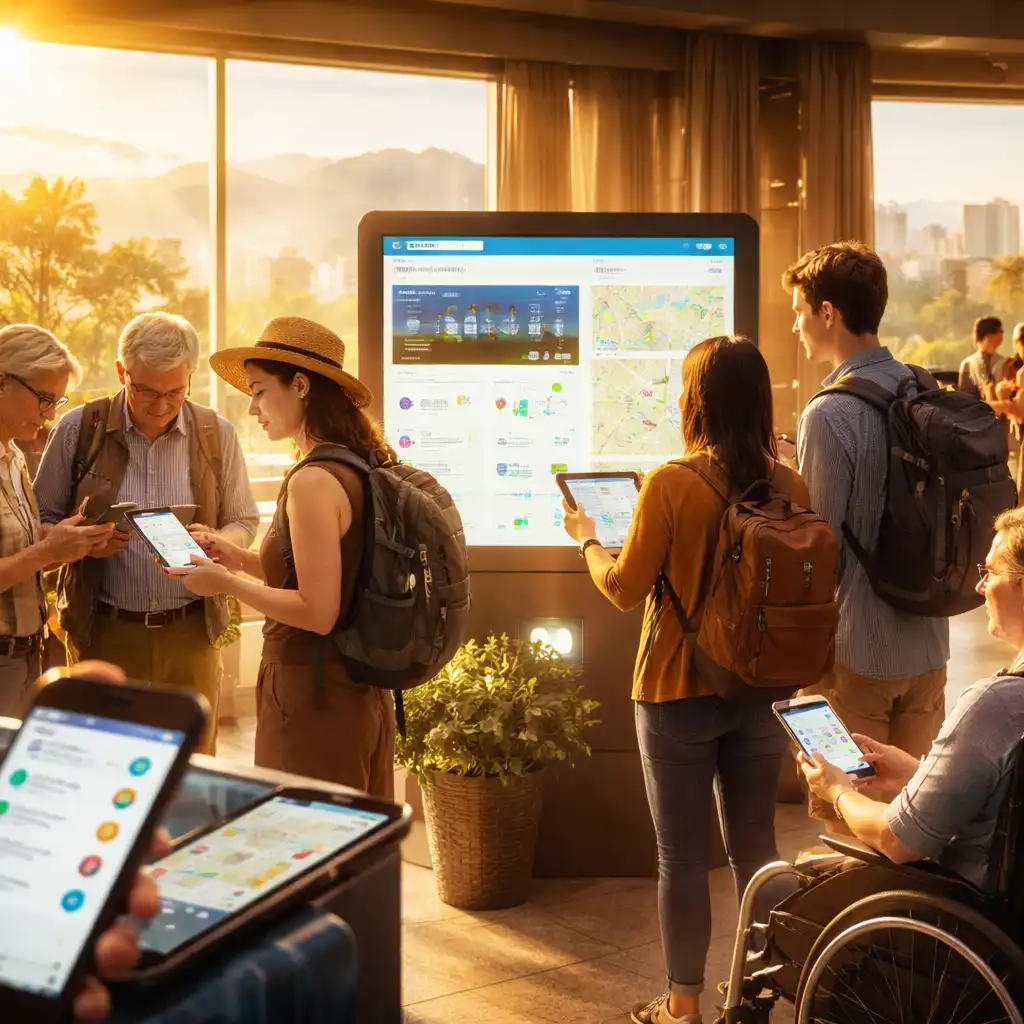
Travel Assistance Services for Solo Travelers in 2026: From Safety Net to Strategic Partner
In 2026, essential travel assistance services for solo travelers encompass far more than a basic helpline. These offerings now blend digital tools, human expertise, and robust risk management into a cohesive ecosystem designed to keep independent journeys safer, smarter, and more resilient. For organisations and individuals alike, the question is no longer whether to use support, but how to integrate the right mix of capabilities into their broader travel strategy.
Why Travel Assistance Services Matter More in 2026
Solo travel demand continues to rise, yet so does global volatility, from climate-related disruption to rapidly shifting border rules. Travel assistance services sit at the intersection of safety, convenience, and personal freedom, providing structure without undermining autonomy. Effective trip planning support now includes pre‑trip briefings, medical access pathways, and contingency plans that reflect a traveller’s profile, risk appetite, and destinations. This elevated baseline has become a competitive differentiator for providers serving frequent solo travellers.
Core Travel Assistance Services Every Solo Traveler Needs
The foundation remains comprehensive insurance paired with reliable travel emergency services, but that is only the entry point. Telehealth consultations, coordinated medical evacuation, and on‑the‑ground logistics are increasingly integrated into a single support experience. Sophisticated itinerary management solutions use AI to monitor flights, accommodation, and ground transport, then trigger real-time itinerary change help when disruption looms. For the traveller, this feels less like a claims process and more like having a calm operations centre on standby.
Digital Safety Nets: From Apps to Intelligence Platforms
Standalone apps have evolved into connected platforms that combine digital itinerary organization tools, location tracking, and destination‑specific risk insights. Safety dashboards surface neighbourhood trends, transport reliability, and emerging incidents, while on-call travel emergency support can escalate issues to human specialists when judgement calls are required. Providers that link these tools with guided international trip planning enable solo travellers to make smarter choices before departure rather than improvising under pressure.
The most credible providers are shifting from reactive response to comprehensive travel risk assistance. Instead of waiting for a call, they monitor routes, supplier stability, and local conditions, then push tailored alerts and last-minute travel disruption help before crises escalate. For high‑value or complex trips, personalised solo travel planning can be layered on top, combining scenario analysis with emergency itinerary rerouting services if conditions deteriorate mid‑journey. Strategic buyers increasingly assess partners on their ability to prevent incidents, not just resolve them.
For solo travellers and the organisations that support them, the imperative is clear: treat travel assistance services as core infrastructure, not an add‑on. Audit your current coverage, tools, and escalation pathways, then benchmark them against emerging best practice in 2026. If gaps appear—whether in data visibility, medical depth, or operational readiness—prioritise an integrated upgrade. To move from ad‑hoc fixes to a resilient, confidence‑building program, speak with a travel risk expert and review your end‑to‑end travel strategy before your next solo journey.