
Understanding healthcare risks when travelling abroad has become a core part of trip planning for many Americans. The primary concern is how to access reliable Medical assistance services quickly if something goes wrong. With one in six US travellers facing a medical issue on the road, relying solely on luck or local knowledge is an increasingly risky strategy. Instead, experts recommend a structured plan that combines insurance, assistance providers, and clear information about how to reach emergency help wherever you are.
Medical assistance services and travel insurance options
Most travellers start with comprehensive travel insurance that includes hospital care, emergency medical services, and evacuation cover. These policies are designed for mainstream holidays and business trips, offering a foundation of healthcare support solutions at a relatively low cost. However, policy language, exclusions, and limits can be confusing, especially around pre-existing conditions or adventure sports. That is where dedicated Medical assistance services step in, adding 24/7 emergency medical travel support, coordination with local hospitals, and multilingual case managers who understand regional systems and regulations.
Standalone assistance providers and specialist support
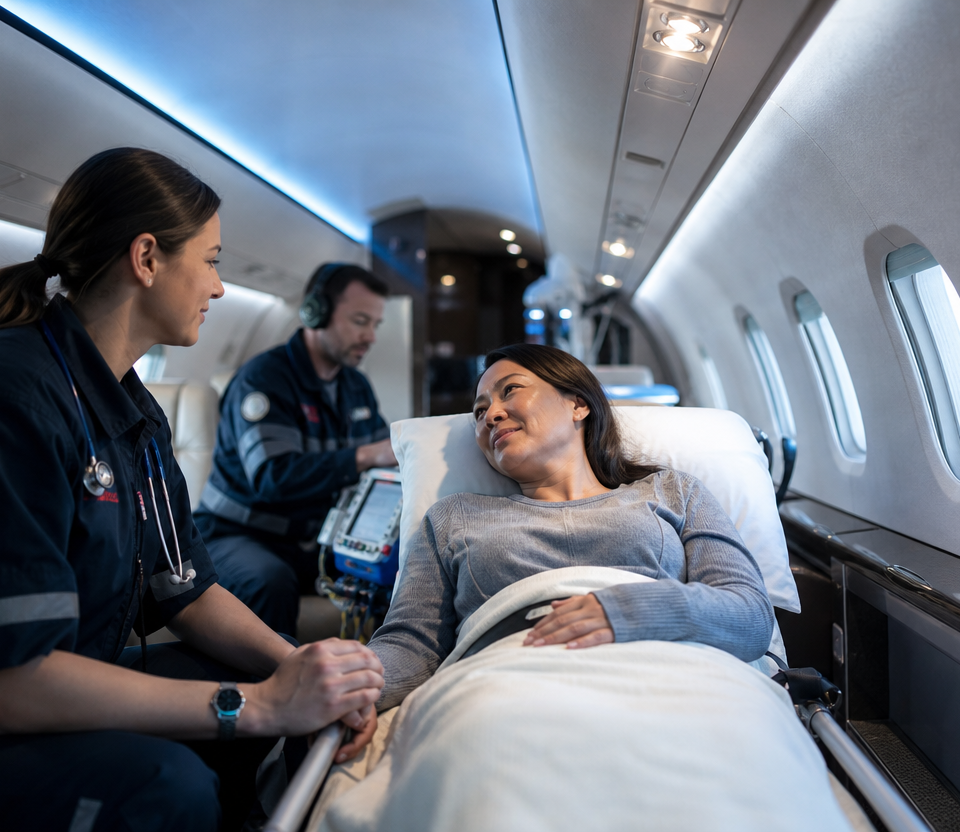
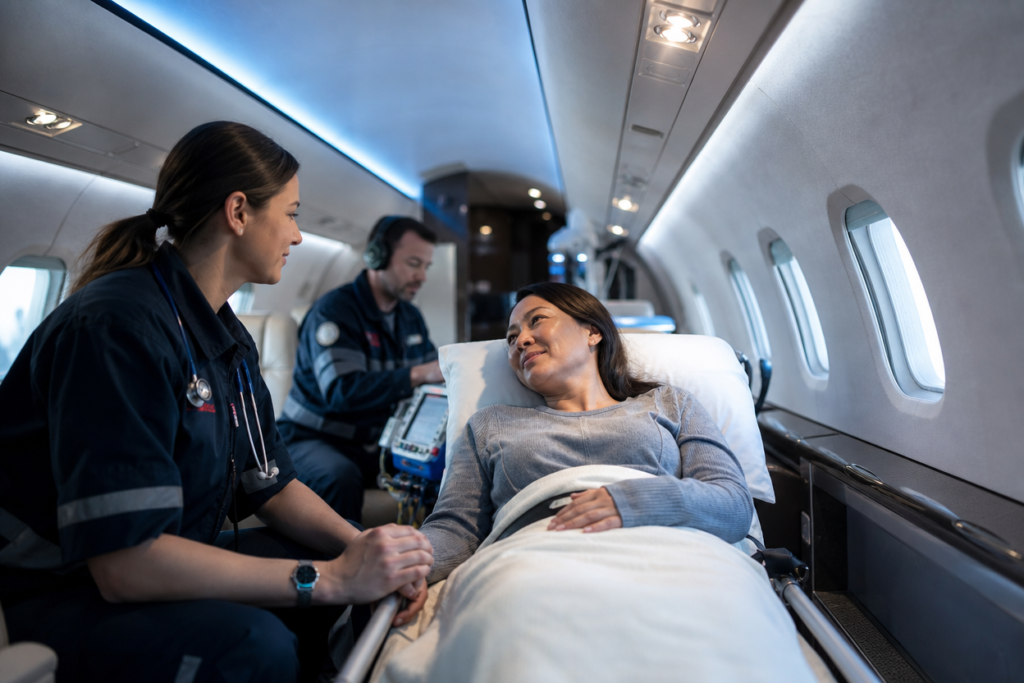
For high-risk destinations or remote itineraries, standalone assistance companies can deliver more tailored patient care assistance than a standard policy. These organisations typically maintain networks that enable cross-border emergency healthcare access, including air ambulances and specialist evacuation teams. They also offer global healthcare support for travelers who may need complex treatment that is not readily available in the local system. While this additional protection costs more, it can be crucial for older travellers, people with chronic illnesses, or anyone heading far from major medical centres.
Preparing your medical information before departure
Effective use of any solution depends on preparation. Travellers should compile a concise medical summary listing conditions, medications, and allergies, saved both in print and digitally for international patient care navigation. Having this information ready allows doctors and assistance coordinators to act faster in an emergency. It also makes on-the-road patient care guidance more precise, helping providers avoid dangerous drug interactions and treatment delays. In countries where English is not widely spoken, consider translated copies or app-based translation tools focused on clinical terms.
- Compare policy limits for hospitalisation, evacuation, and repatriation.
- Check exclusions for adventure sports, pregnancy, and pre-existing conditions.
- Confirm whether evacuation is to the nearest suitable facility or back home.
- Review how travel-focused patient care coordination works in practice.
- Assess whether you need comprehensive travel medical support services for extended or remote trips.
Choosing the right mix of cover comes down to destination risks, trip length, and personal health history. Urban breaks in countries with strong public systems may only require solid insurance and basic overseas urgent medical help options. By contrast, expeditions, cruises, or multi-country journeys often justify more robust cross-border solutions and rapid access to overseas urgent medical help when local facilities are limited. For many travellers, speaking with a travel medicine clinic or insurance specialist before booking enables more confident decisions about patient care assistance and long-term financial protection.
If you are planning international travel and want to avoid confusion at the worst possible moment, now is the time to review your options. Map out how you would access emergency medical services in your first 24 hours abroad, then stress-test those assumptions with a specialist. Discuss your destinations, activities, and medical history to identify the most appropriate healthcare support solutions for your needs. Taking that one step before departure can turn a potential crisis into a manageable incident. Book a consultation with a travel health or insurance expert and compare solutions side by side so you can travel with informed confidence.