
The Evolution of Travel Assistance Services: What to Expect
The Evolution of Travel Assistance Services: What to Expect
Travel assistance services have evolved from simple phone-based helpdesks into integrated, technology-led solutions that support business and leisure travellers throughout every stage of a journey. For organisations seeking competitive differentiation, the question is no longer whether support is available, but how it is delivered, coordinated, and measured. Modern providers stand apart through their ability to combine global reach, digital intelligence, and specialist human expertise into a single, reliable experience.
Understanding Modern Travel Assistance Services
Contemporary Travel assistance services extend far beyond emergency response, offering continuous oversight of bookings, connections, and local conditions. Leading partners integrate trip planning support with medical coordination, security intelligence, and multilingual case management. What differentiates them is the consistency of response, the depth of clinical and logistical expertise, and the transparency with which information is shared. Organisations benefit most from providers that can support both individual travellers and complex group movements with the same disciplined standards.
Technology as a Strategic Differentiator
Technology now underpins the strongest value propositions in this sector, particularly for companies that require reliable itinerary management solutions for frequent travellers. Advanced platforms combine digital itinerary organization tools, secure document storage, live-chat support, and location-aware alerts in one environment. The most competitive offerings provide real time itinerary change support and 24 7 travel emergency help, ensuring disruptions are managed before they escalate. This level of visibility allows travel managers to demonstrate duty-of-care compliance while giving travellers confidence that help is always within reach.
Service Quality, Expertise, and Human Support
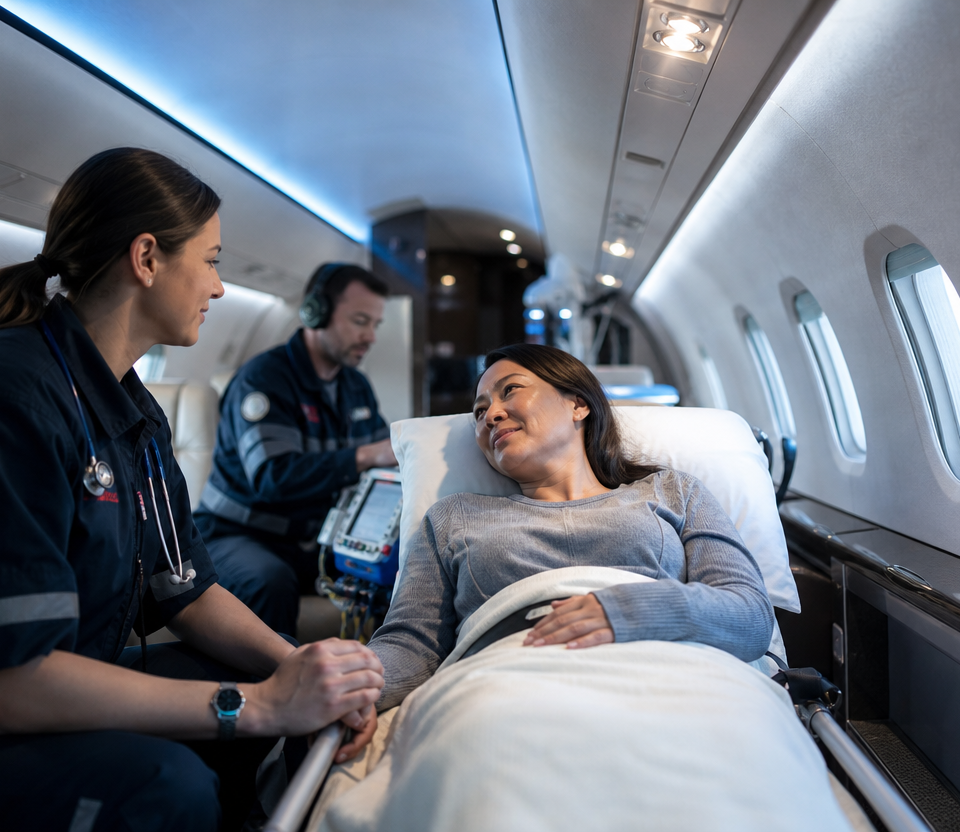
While digital tools create scale, the real competitive edge lies in specialist human support and rigorous processes. Experienced providers use clinical and security experts who understand local regulations, evacuation protocols, and hospital capabilities across multiple regions. They pair proactive trip planning help with responsive travel emergency services, ensuring travellers receive clear, empathetic guidance in high-stress situations. Differentiated services also include end to end itinerary support, detailed case documentation, and clear communication with corporate stakeholders throughout any incident.
Meeting Diverse Traveller Needs
Another mark of a superior provider is its ability to support varied traveller profiles and risk thresholds. Solutions that incorporate family friendly trip coordination, senior focused travel emergency aid, and accessible travel planning assistance enable organisations to protect a wider range of employees and accompanying family members. This inclusive design strengthens policy compliance and traveller satisfaction. When combined with robust reporting, these capabilities help leaders compare providers not just on price, but on coverage quality and long-term risk reduction.
When assessing potential partners, decision-makers should look beyond basic coverage lists and focus on how each provider integrates technology, expertise, and service culture. Prioritise those that offer consistently managed cases, verifiable response times, and clear escalation pathways. By choosing a partner that delivers genuinely differentiated Travel assistance services, your organisation can enhance traveller confidence, reduce operational risk, and demonstrate meaningful duty of care. To evaluate how this approach could work for your programme, speak with our team today to review your current support model and explore a tailored consultation.