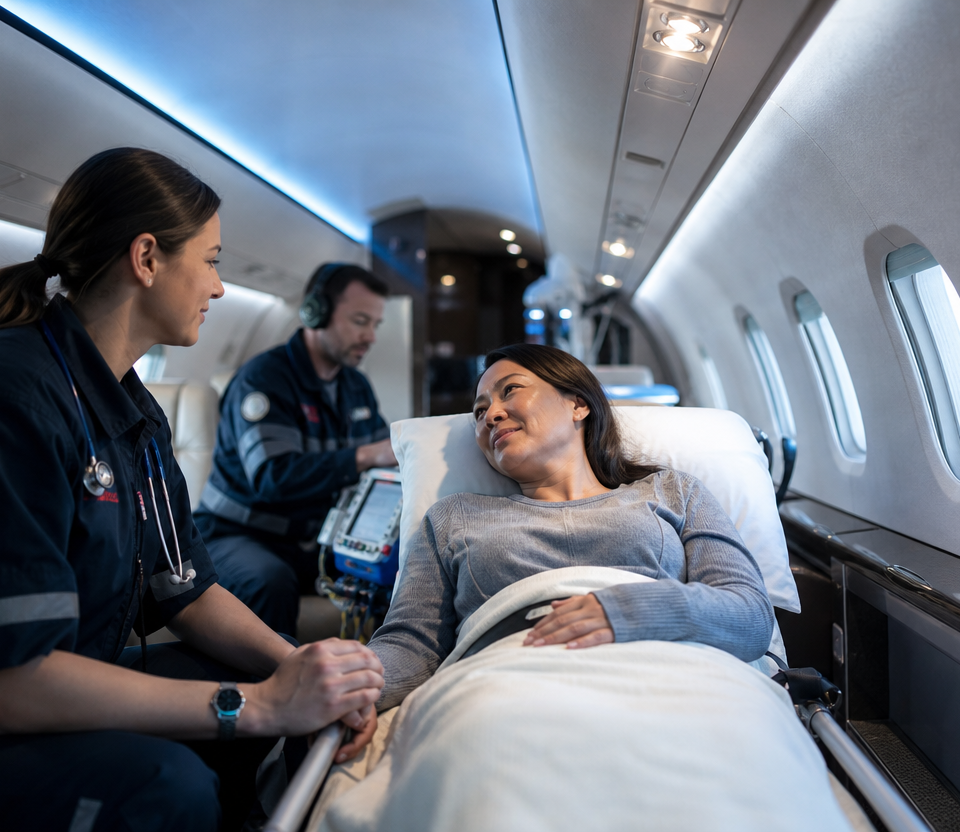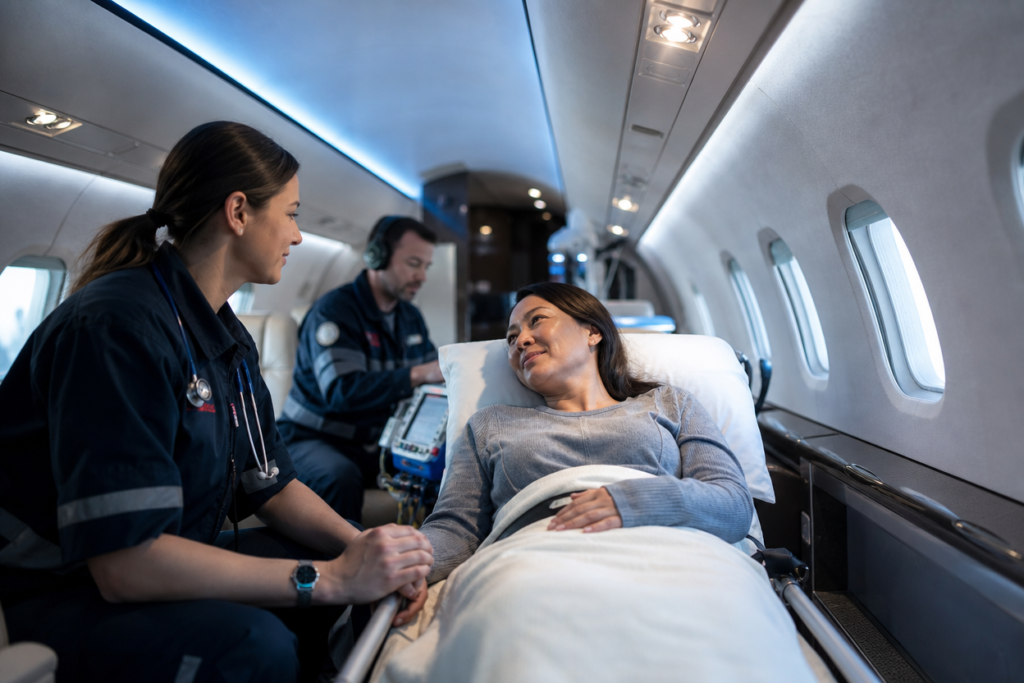
Couples planning an overseas trip increasingly recognise that flights and hotels are only part of the story; understanding Medical assistance services is now central to safe, confident travel. When one partner falls ill or an accident occurs, the quality of support you can access often determines whether your holiday is briefly interrupted or abruptly ends in a costly medical evacuation. For many travelling couples, the priority is finding clear, reliable healthcare support solutions that work across borders and time zones.
Key Medical assistance services for travelling couples
Most couples start with comprehensive travel insurance that includes strong medical benefits, from hospital admission guarantees to emergency medical services and evacuation cover. These policies typically connect you to global assistance centres that can locate accredited hospitals, arrange English-speaking doctors, and provide 24/7 emergency medical help when you are unsure where to turn. Increasingly, insurers and specialised providers also offer telehealth consultations so partners can speak to a clinician by video before deciding whether to visit a clinic in person.
Comparing travel healthcare support options
Beyond insurance, couples can access a mix of travel-based patient support services, including airline or cruise-ship doctors, private tourist clinics, and destination-based telemedicine platforms. Each option has trade-offs: cruise or resort doctors are convenient but may be limited in scope, while urban private clinics often deliver faster patient care assistance at higher out-of-pocket cost. For trips through multiple countries, look for international urgent medical care networks that operate consistently across borders, so treatment quality does not vary dramatically from one stop to the next.
How to choose solutions that fit your relationship and itinerary
Selecting the right mix of Medical assistance services starts with your health history and travel style. Couples with chronic conditions or pregnancy considerations should confirm pre-existing condition coverage, medical evacuation terms, and on-trip patient care coordination before booking non-refundable flights. Adventure-focused partners may prioritise urgent travel medical assistance in remote areas, ensuring helicopters, local guides, and regional hospitals are included in their policy networks.
- Confirm that both partners’ medications and allergies are documented and stored securely online and in print.
- Map nearby hospitals and clinics at each destination, including overseas emergency care access options.
- Check language support, interpreter availability, and couples-focused healthcare support from your assistance provider.
- Ensure your policy explains how to activate international urgent medical care, including local contact numbers.
- Discuss in advance who will handle decisions, claims, and communication if one partner becomes unwell.
For many travellers, expert advice is the final piece that turns scattered information into a clear plan. Travel medicine clinics, specialist brokers, and assistance companies can compare travel healthcare support options based on your destinations, risk tolerance, and budget, then explain how different layers of support work together. This guidance is particularly valuable for longer trips, complex itineraries, or older couples who need robust overseas backup. Before your next departure, consider booking a consultation to review your cover, clarify emergency procedures, and ensure your Medical assistance services are strong enough to protect both of you from departure to return.