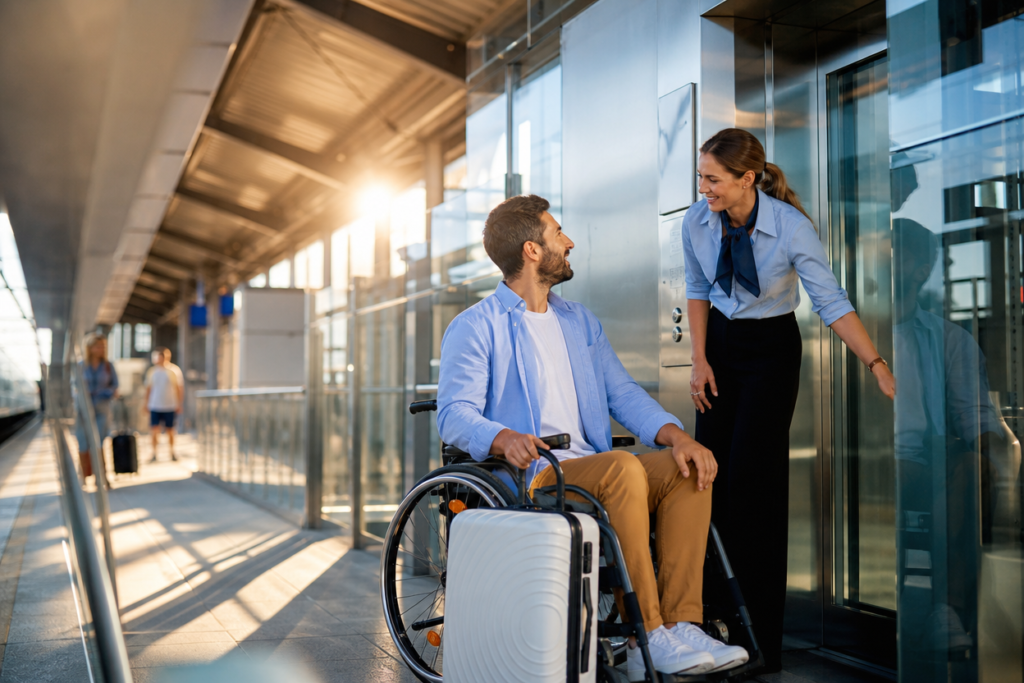
Accessibility in Travel: Resources for All Travelers in 2026 is reshaping how the industry thinks about growth, risk, and customer experience. As populations age and more people travel with permanent or temporary disabilities, accessibility in travel has become a strategic necessity rather than a compliance afterthought. Forward-looking travel brands now recognise that clear, reliable information on accessibility is as critical to confidence as price, safety, and schedule.
Why accessibility in travel matters now
The core challenge is no longer whether disabled travellers want to explore the world, but whether the industry provides credible, consistent resources to make that possible. Travellers are looking for accessible travel planning tools that describe real conditions, not aspirational marketing language. When destinations provide accurate content on wayfinding, mobility, sensory environments, and staff training, they convert consideration into bookings and repeat visits. Organisations that underinvest here are effectively turning away a large, growing segment of their own market.
Accessibility in travel as strategic advantage
Leaders treat accessibility in travel as a source of differentiation, not a cost centre. They understand that detailed accessibility data supports trip planning support, reduces friction on the ground, and protects brand trust when disruptions occur. These operators integrate accessibility into revenue conversations: longer stays, higher ancillary spend, and stronger loyalty among disabled travellers and their companions. In contrast, vague statements like “partially accessible” introduce uncertainty, pushing travellers toward competitors that provide specifics.
From compliance to connected ecosystems
The most innovative brands are moving beyond minimum legal standards to design joined-up ecosystems. They pair Travel assistance services with itinerary management solutions, ensuring that airlines, hotels, transport, and attractions share consistent accessibility information. For many, this includes senior-friendly itinerary management and safe solo travel planning resources tailored to different needs. When journeys are mapped end-to-end, it becomes easier to coordinate travel emergency services, accessible trip disruption assistance, and even lost passport support abroad for vulnerable travellers.
To lead in 2026, executives must embed accessibility in travel into governance, KPIs, and product roadmaps. That means resourcing cross-functional teams, co-designing with disabled travellers, and stress-testing services through scenarios such as emergency assistance for disabled travelers or 24-7 global travel emergency help. Treat accessibility as core risk management and brand strategy, not a niche program. Now is the time to audit your customer journey, close critical gaps, and commit publicly to measurable improvements. Review your current accessibility strategy, and engage an expert partner to benchmark your performance and guide your next phase of investment.