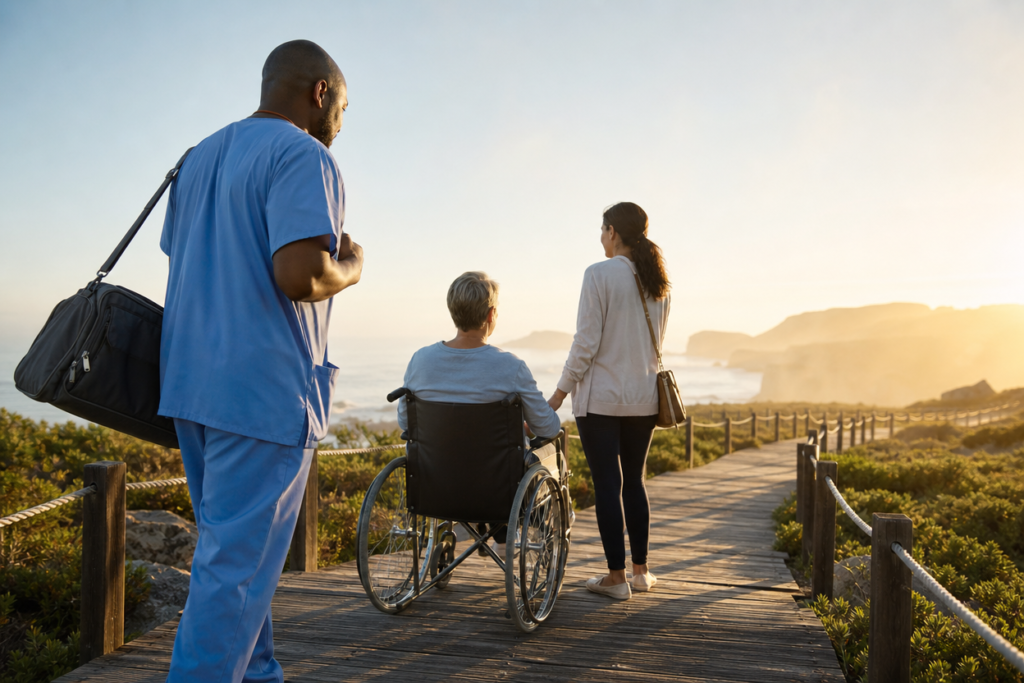
Accessibility Matters: Travel Assistance for Special Needs Travelers
Accessibility matters most when a long-awaited holiday or important work trip becomes stressful before it even begins. For many Australians with disabilities, chronic illness, or age-related limitations, accessibility matters: travel assistance for special needs travelers can be the difference between staying home and travelling with confidence. As airlines, hotels, and tour operators race to advertise inclusive options, travellers still face gaps between policy and lived experience. A growing ecosystem of specialist services now exists to close those gaps and provide consistent, reliable support from the moment you leave home until you return.
Accessibility Matters: Travel Assistance for Special Needs Travelers
At its core, accessibility matters: travel assistance for special needs travelers is about coordinated support across every stage of the journey. Rather than relying on ad hoc promises, travellers can tap into structured trip planning support that confirms wheelchair access, assists with check-in, and clarifies airport processes in advance. This approach reduces last-minute surprises, which are especially disruptive for people managing mobility aids, sensory sensitivities, or complex medical needs. It also gives families and carers clearer expectations, easing anxiety and making it easier to decide whether a trip is realistic.
Types of Travel Assistance Services Available
Airline and airport programs provide wheelchair escorts, priority boarding, and staff trained to assist with medical equipment, often supported by services similar to TSA Cares for smoother security screening. Specialist agencies focus on accessible itinerary planning services, confirming room dimensions, bathroom layouts, and transport options that work for mobility devices or low-sensory preferences. Corporate travellers may rely on itinerary management solutions that pre-verify accessible hotels and meeting venues so business trips remain both productive and safe. Digital platforms add another layer by aggregating verified accessibility data on everything from terrain gradients to lift access and nearby medical facilities.
How to Compare and Choose the Right Support
Choosing between these options starts with clarifying your physical, sensory, and medical requirements, then mapping them across each step of the journey. Ask whether providers offer personalised trip planning help that covers flights, accommodation, transfers, and activities rather than just one segment. Robust solutions will outline how they handle travel emergency services, missed connections, or damaged mobility equipment, and whether they can escalate issues quickly with suppliers. For older travellers, senior-friendly travel planning can mean shorter walking distances, accessible bathrooms, and backup wheelchairs at key points. Families may also need family travel crisis support if a child’s needs escalate mid-trip.
- Check whether providers offer 24/7 emergency trip assistance and clear escalation paths.
- Confirm how they handle global itinerary change support if flights or cruises are disrupted.
- Ask how often accessibility data is updated and independently verified.
- Review their experience with special needs travel coordination for your specific condition.
- Assess whether they can liaise with medical teams or insurers for travel emergency response support.
Professional guidance becomes especially valuable when multiple countries, cruises, or remote destinations are involved, because access to medical care and equipment storage can vary significantly. In these cases, expert special needs travel coordination can reduce risk by stress-testing plans, building contingencies, and aligning expectations among travellers, carers, and employers. If you are considering a complex trip, now is the time to speak with an accessibility-focused specialist who can offer accessible itinerary planning services, compare your options, and suggest realistic adjustments. Use that conversation to clarify your non-negotiables, budget, and comfort with risk. Then, decide on the combination of tools and human support that will let you travel with greater safety, dignity, and independence.