
Family Travel Health: Ensuring Safety for Every Member
Understanding Family Travel Health Risks
Family travel health involves balancing the needs of infants, teenagers, adults, and older relatives on a single itinerary. Effective planning should begin 4–6 weeks before departure to allow time for vaccinations, prescriptions, and medical clearances. Families must consider traveller’s diarrhoea, respiratory infections, and injury risks, along with access to local healthcare support solutions at their destination. When each person’s age, medical history, and activity level are reviewed in advance, potential issues become more predictable and manageable. This structured approach underpins reliable family travel healthcare support throughout the journey.
How Our Medical Assistance Services Stand Apart
Many families rely only on standard travel insurance, which typically reimburses costs but does not coordinate care during an incident. In contrast, our Medical assistance services provide integrated clinical oversight, destination-specific advice, and streamlined access to emergency medical services when needed. A single multilingual team manages paediatric concerns, chronic disease flare-ups, and unexpected injuries, ensuring consistent information and guidance. With 24/7 medical travel assistance, families can obtain timely advice on symptoms, next steps, and appropriate local facilities. This coordinated model reduces confusion and delays that often occur with fragmented providers.
Key Differentiators That Matter to Families
Our service design focuses on proactive risk management rather than reactive problem-solving. Before departure, clinicians review itineraries against current CDC and WHO guidance, recommending vaccines, malaria prophylaxis, and realistic contingency plans. During the trip, telehealth access and travel-focused patient support help parents decide when a fever, rash, or breathing difficulty needs escalation. For older adults, we coordinate mobility aids, oxygen, and specialist reviews as part of broader international patient care coordination. Transparent communication, clear cost expectations, and consistent updates give families confidence and control in unfamiliar environments.
Practical Examples of Support in Real Situations
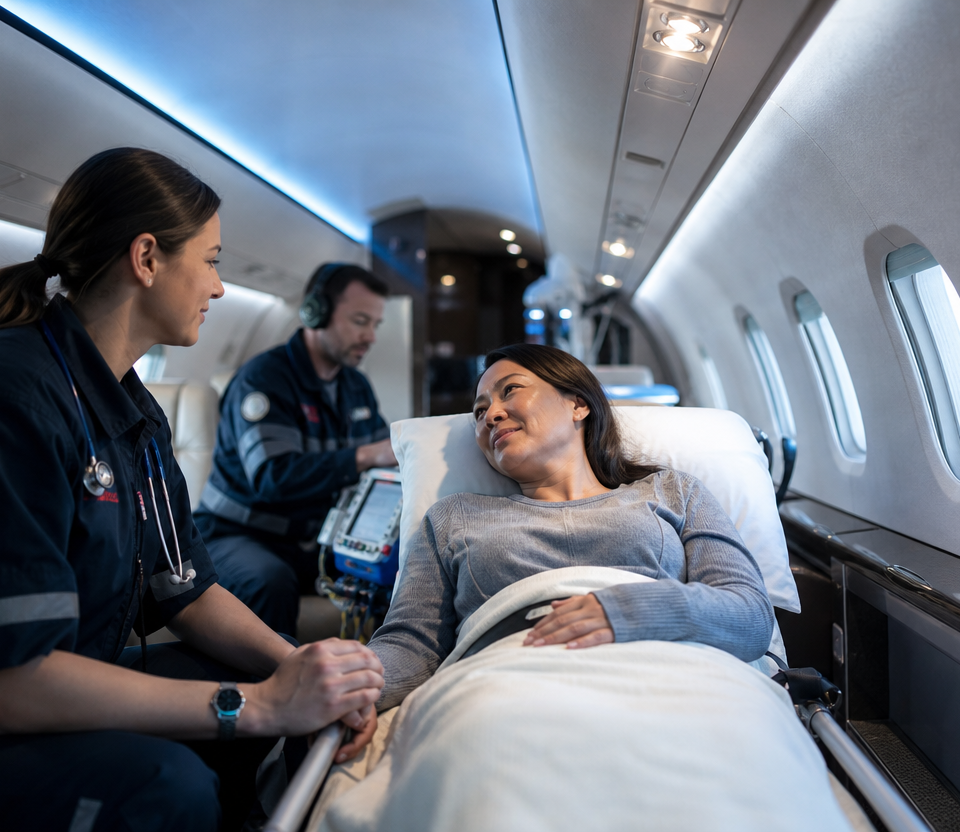
Consider a family travelling with a child who has asthma and a grandparent with diabetes. Prior to departure, we confirm medication quantities, prepare written action plans, and identify clinics capable of delivering patient care assistance if conditions worsen. If several members develop gastrointestinal illness, clinicians guide rehydration, over-the-counter options, and red flags that require urgent travel medical help or overseas emergency medical care. When accidents occur, we coordinate ambulance transfers, admissions, and family-friendly emergency care abroad. This end-to-end oversight allows relatives to focus on each other rather than complex cross-border healthcare navigation.
Choosing the Right Partner for Family Travel Health
When comparing providers, families should assess clinical expertise, global network depth, response times, and clarity around eligibility and costs. Look for a partner experienced in family travel healthcare support that integrates pre-trip assessments, in-trip monitoring, and post-trip follow-up into a single, coherent process. A strong provider will demonstrate reliable family-focused protocols instead of generic coverage wording. Our approach aligns medical governance, logistics, and financial coordination to deliver dependable outcomes in real-world conditions. To plan your next journey with confidence, contact our team to discuss tailored family travel health options and decide if our model is right for you.
To explore how our family-centred model and 24/7 case management can support your next itinerary, speak with our specialists today and compare your current arrangements with our comprehensive, clinically led family travel health framework.