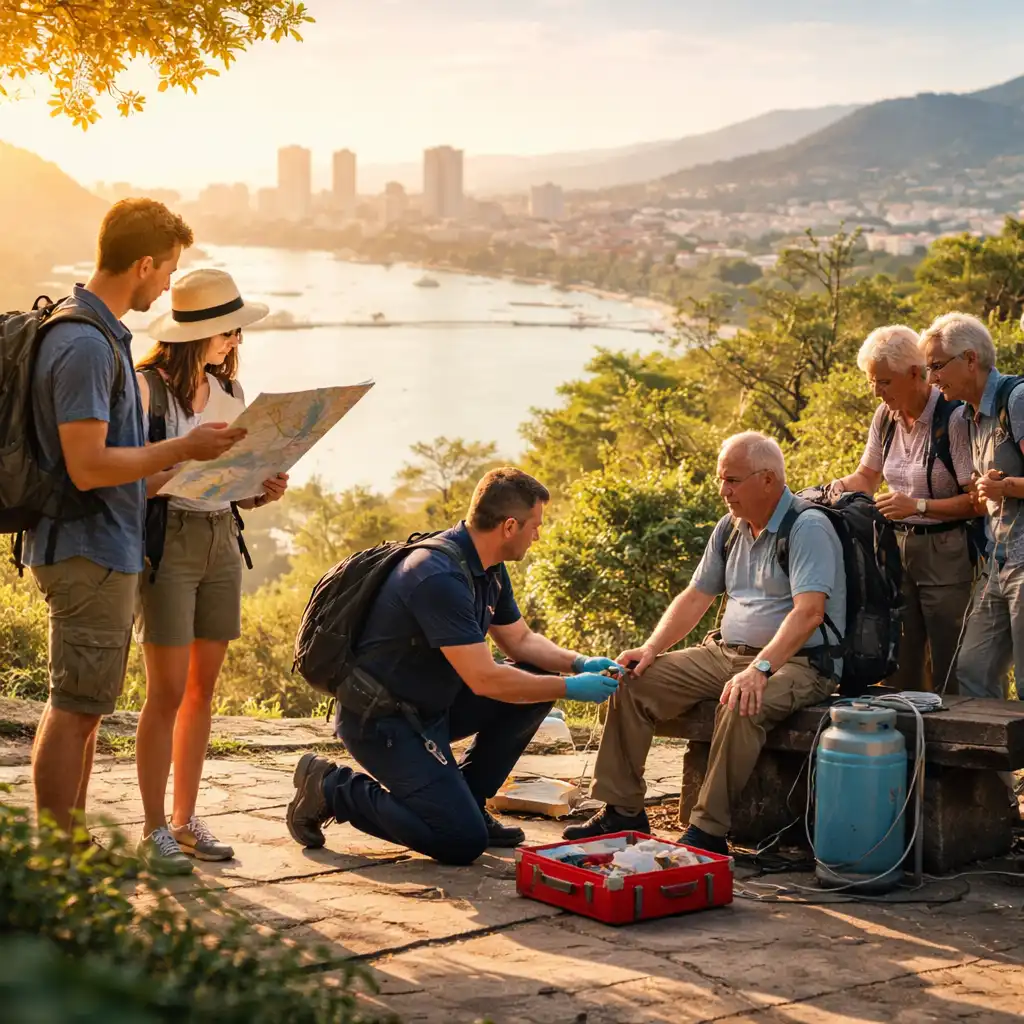
How to Plan for Medical Emergencies While Traveling
Planning how to respond to a health crisis overseas is as critical as booking flights and accommodation. How to plan for medical emergencies while traveling is not just about packing a few bandages; it is about building a structured, reliable safety net that works under pressure. A differentiated approach focuses on proactive risk assessment, coordinated logistics, and clear decision pathways, rather than leaving travellers to navigate unfamiliar systems alone.
Understanding the Risks and Common Gaps
Most travellers assume basic emergency medical services will be readily available and straightforward to access, yet reality often looks different. Standards of care, language, payment expectations, and documentation requirements can vary widely between countries. Traditional insurance products may reimburse costs but usually do not provide operational healthcare support solutions in real time. The key gap is practical coordination when minutes matter and the traveller is stressed, ill, or injured.
Why Preparation for Medical Emergencies While Traveling Matters
Many providers focus purely on financial protection, but comprehensive travel healthcare support services combine funding with live clinical and logistical guidance. This integrated model helps you identify appropriate facilities, arrange transport, and ensure your records and authorisations reach the right hands. By having a dedicated team overseeing international patient care coordination, you reduce delays, avoid unsuitable clinics, and gain clarity on what will be covered before major decisions are made.
Key Differentiators in Pre-Travel Planning
A stronger approach begins before departure, not at the hospital door. Structured pre-trip consultations review your itinerary, health status, and activity plans, then translate them into tailored risk mitigation. Rather than generic checklists, you receive country-specific advice, preferred facility lists, and clear steps for securing emergency medical care abroad. This model treats planning as a collaborative process, giving you documented action plans instead of leaving you to search the internet mid-crisis.
On-Trip Response, Coordination, and Continuity
When a crisis occurs, the difference lies in rapid, clinically led on-trip patient care support. Dedicated coordinators work alongside medical professionals to triage symptoms, direct you to suitable care, and communicate with treating teams. This level of patient care assistance helps align local decisions with your medical history and preferences. Around-the-clock access functions as 24/7 emergency medical care oversight rather than a simple claims hotline, improving outcomes and reducing unnecessary transfers or procedures.
Technology and communication also distinguish more advanced travel-focused healthcare solutions. Secure digital profiles, stored medical summaries, and multilingual support streamline handovers and minimise repeated explanations in high-stress moments. Integrated mobile travel medical assistance ensures you can share documents and updates from your phone, even when travelling between facilities. For travellers who value certainty, this coordinated framework transforms urgent travel medical help from a reactive scramble into a controlled, step-by-step process. To travel with greater confidence, compare providers carefully and speak with a specialist team to design the level of protection you genuinely need before your next trip.