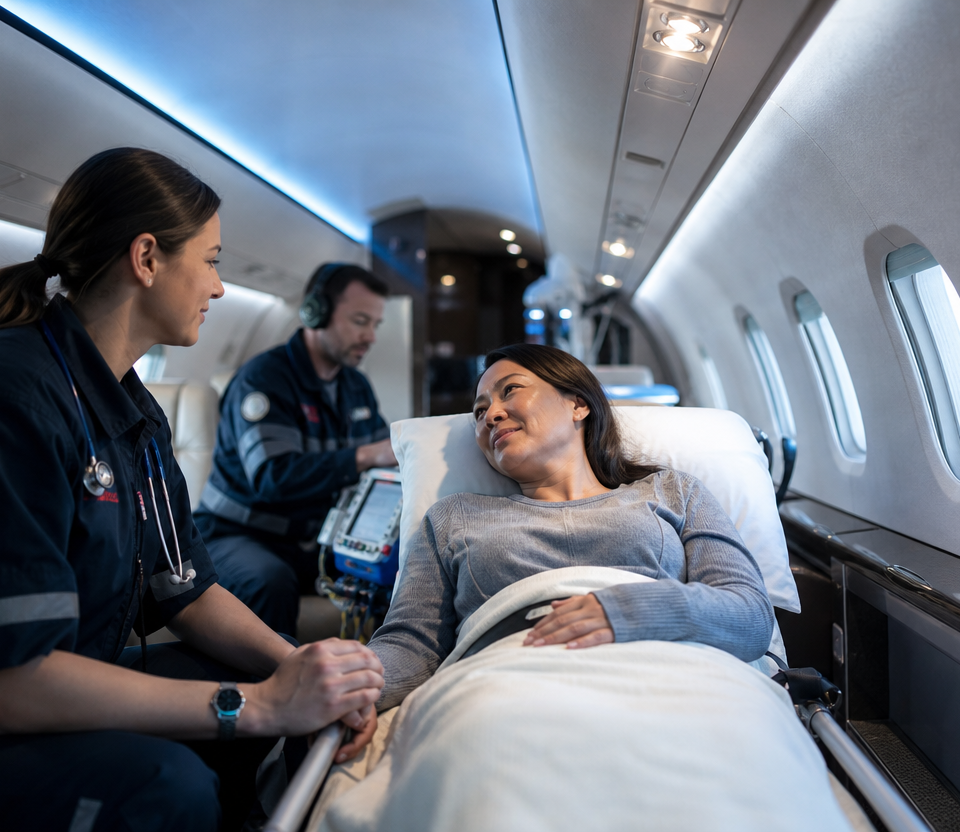
How to Prepare for Travel Emergencies: A Comprehensive Guide is no longer a nice-to-have; it is core risk management for any organisation or frequent traveler. As global mobility rebounds, leaders are rethinking traditional duty-of-care models, moving from reactive responses to proactive travel risk planning. This shift recognizes that disruptions now span health, geopolitics, and climate, demanding integrated strategies rather than ad hoc fixes.
Understanding Modern Travel Risk Landscapes
Today’s travel emergencies extend beyond lost luggage and delayed flights. Organisations must plan for cascading events, where a weather disruption triggers last minute itinerary changes, missed meetings, and stranded staff. Viewing travel through a resilience lens encourages executives to treat mobility as a strategic asset rather than a logistical cost centre, aligning policies, tools, and governance accordingly.
Designing a Strategic Emergency-Ready Travel Program
High-performing organisations embed expert itinerary risk management into their mobility programs, starting at the trip approval stage. This means assessing destinations, medical infrastructure, and local security alongside budget and purpose. Travel assistance services then act as the operational backbone, providing coordinated response, triage, and decision support when incidents occur, rather than leaving travellers to navigate crises alone.
Technology, Data, and Human Support in Emergencies
Modern travel emergency services blend real-time data, digital tools, and human expertise. Sophisticated platforms offer itinerary management solutions, geolocation check-ins, and automated alerts, while specialists provide 24 7 travel emergency support and practical guidance on the ground. The most effective programs ensure that travellers can escalate quickly from app notifications to live expert advice without friction.
For leaders overseeing complex mobility, trip planning support must extend to diverse traveler profiles and needs. That includes family travel emergency assistance for relocations, senior traveler emergency support for aging executives, and accessible travel itinerary services for employees with disabilities. When these cohorts are planned for explicitly, emergency trip planning help becomes faster, more equitable, and far less stressful for everyone involved.