
How to Stay Healthy While Traveling: A Guide for Seniors
Understanding the Health Risks of Travel for Seniors
The primary keyword, How to Stay Healthy While Traveling: A Guide for Seniors, reflects a growing need among older adults who want to explore the world without sacrificing their wellbeing. Long flights, changing climates, and crowded terminals can increase the risk of dehydration, falls, and blood clots. Seniors managing heart disease, diabetes, or mobility issues also face challenges if medications are delayed or local care is hard to access. Recognizing these pressures early helps you weigh different healthcare support solutions before departure. By planning ahead, you can turn potential vulnerabilities into manageable risks rather than last‑minute crises overseas.
Key Preventive Steps Before You Travel
A pre-travel consultation with your GP or a travel clinic is a crucial starting point. This visit allows you to review your medication list, update vaccines, and discuss chronic condition travel care support tailored to your itinerary. Doctors can advise on fitness to fly, compression stockings, and how to prevent deep vein thrombosis on long-haul flights. It is also wise to check how your prescriptions can be refilled overseas and whether generic equivalents are available. Combining this medical review with robust insurance and Medical assistance services gives seniors a layered safety net if something goes wrong.
Staying Healthy in Transit and On the Ground
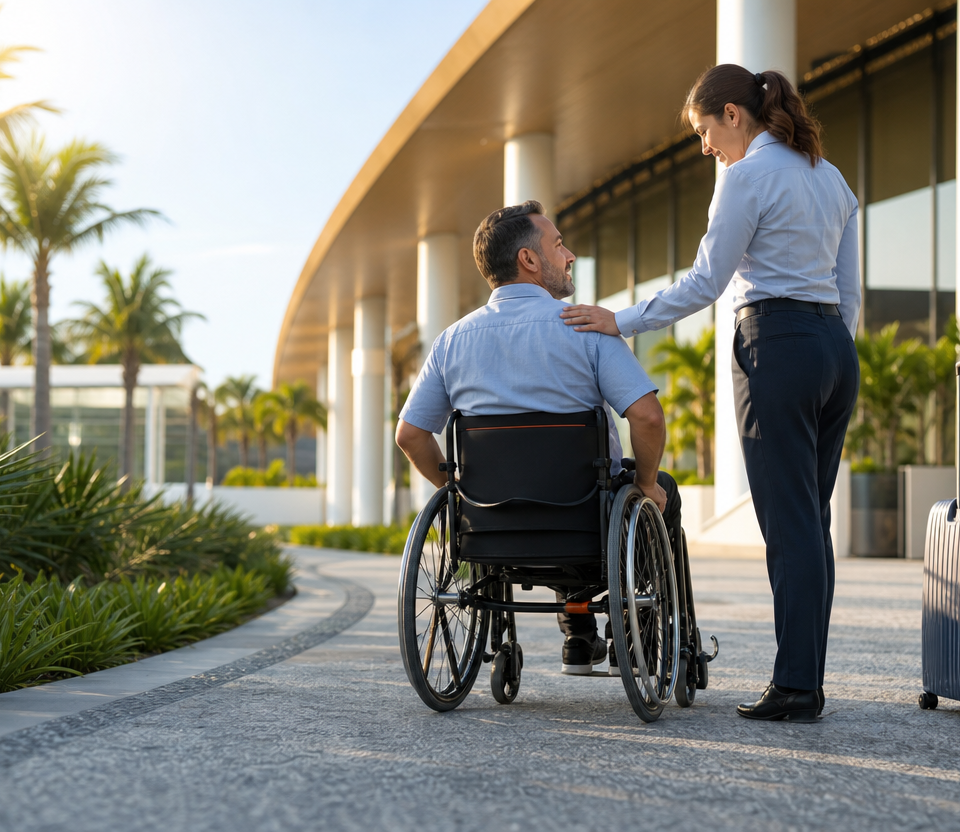
Simple, consistent habits make a significant difference once your trip begins. On planes and trains, drink water regularly, avoid excess alcohol, and move or stretch every hour to support circulation and joint comfort. At your destination, travel healthcare support for seniors often starts with food and water choices: opt for freshly cooked meals, safe drinking water, and clean dining environments. Washing hands frequently and carrying sanitizer reduces infection risk in busy tourist areas. For retirees with mobility limits, choosing accommodation near lifts, medical clinics, or pharmacies can provide accessible medical help for senior travelers without disrupting the holiday.
- Travel insurance with clear provisions for emergency medical services and hospital care
- Dedicated patient care assistance programs that arrange local doctors and translation support
- Telehealth access to your home physician for non-urgent advice and prescription questions
- 24/7 elderly traveler medical support hotlines for urgent guidance and triage
- Specialist overseas patient care for retirees visiting remote or higher-risk destinations
Choosing the right mix of protection depends on your health profile, destination, and comfort with navigating foreign hospitals. Some seniors prefer comprehensive cover that includes on-call patient care coordination and senior-friendly emergency medical help, especially when language barriers are likely. Others, confident in urban settings, may prioritize strong hospital benefits and emergency medical aid while abroad in case of serious illness or injury. When comparing options, look closely at exclusions, pre-existing condition terms, and how quickly help is dispatched. If you feel unsure, seeking expert advice can clarify which travel healthcare support offers the most appropriate patient care assistance for your next trip.