
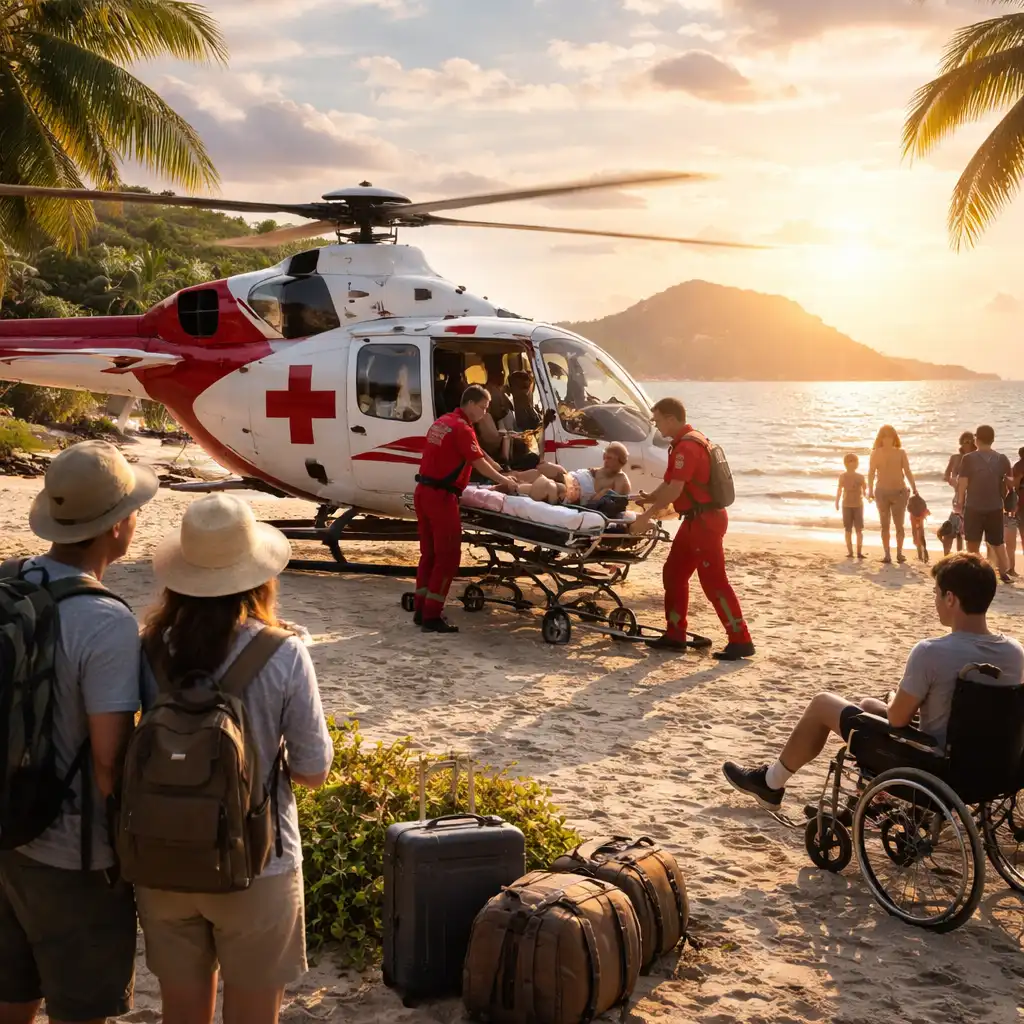
Medical Evacuation Services: Why They Matter for Travelers
Medical evacuation services are a critical safety net for anyone travelling far from home, particularly when visiting destinations with limited hospitals or specialist care. These services arrange safe transport from the scene of an incident or a local clinic to a better-equipped facility, sometimes in another country. By combining emergency medical services with aviation and logistics expertise, they help ensure you receive appropriate treatment as quickly as possible. Understanding how these services work can help you plan smarter, reduce risk, and avoid overwhelming out-of-pocket costs.
Understanding Medical Evacuation Services
At their core, medical evacuation services coordinate the safe transfer of seriously ill or injured travellers when local care is not sufficient. Transport may involve ground ambulances, helicopters, or fixed-wing aircraft equipped like mobile intensive care units. Clinical staff provide patient care assistance during the journey, monitoring vital signs and delivering necessary treatment. The goal is not just moving you from point A to point B, but ensuring continuity of care throughout the entire transfer.
Why Medical Evacuation Services Matter for Travelers
For many travellers, the nearest hospital might lack intensive care, surgical capability, or English-speaking staff. In these cases, medical evacuation services bridge the gap between basic local treatment and advanced care in a regional or home-country hospital. This type of global healthcare support for travelers can be life-saving after severe trauma, stroke, or heart events. It also provides peace of mind for families, who know that a plan exists if something serious goes wrong far from home.
How Medical Evacuation Services Work in Practice
When a serious incident occurs, the process usually starts with local doctors assessing your condition and recommending transfer if needed. The evacuation provider then organises transport, medical escorts, and hospital admission, offering travel-focused healthcare coordination from start to finish. They may arrange coordinated evacuation and patient support involving multiple legs, such as a local ambulance, air transfer, and then another ambulance on arrival. Many travellers access these services through their travel insurance or dedicated medical evacuation memberships.
Before you travel, review your policy wording carefully to understand what level of emergency medical support abroad is included. Check whether cover extends to remote regions, adventure activities, or pre-existing conditions. Some providers offer 24/7 emergency travel care through a central assistance centre that can approve treatment, liaise with doctors, and update your family. These healthcare support solutions can significantly reduce stress during a crisis, but only if you know how to contact them and what they will pay for.
Costs, Limitations, and Key Considerations
Without cover, international patient care services and air evacuations can cost tens of thousands of dollars or more, depending on distance and medical complexity. Even with insurance, approvals usually depend on medical necessity and the availability of suitable local care. It is important to understand that medical evacuation services are not a substitute for routine healthcare or minor issues. They are designed for serious conditions where specialised medical travel assistance is essential for safety and recovery.
As you plan your next trip, consider your destination’s healthcare standards, your personal health, and any higher-risk activities. Keep policy numbers and assistance contacts accessible, and let your travelling companions know where they are. If you are unsure what level of on-demand travel patient care you may need, speak with an insurance or medical assistance specialist before departure. Taking these steps now helps ensure you can access prompt, appropriate care when it matters most.
To better understand how medical evacuation services fit into your overall travel risk plan, review your existing cover and prepare key questions for a qualified adviser so you can travel with greater confidence and informed protection.