
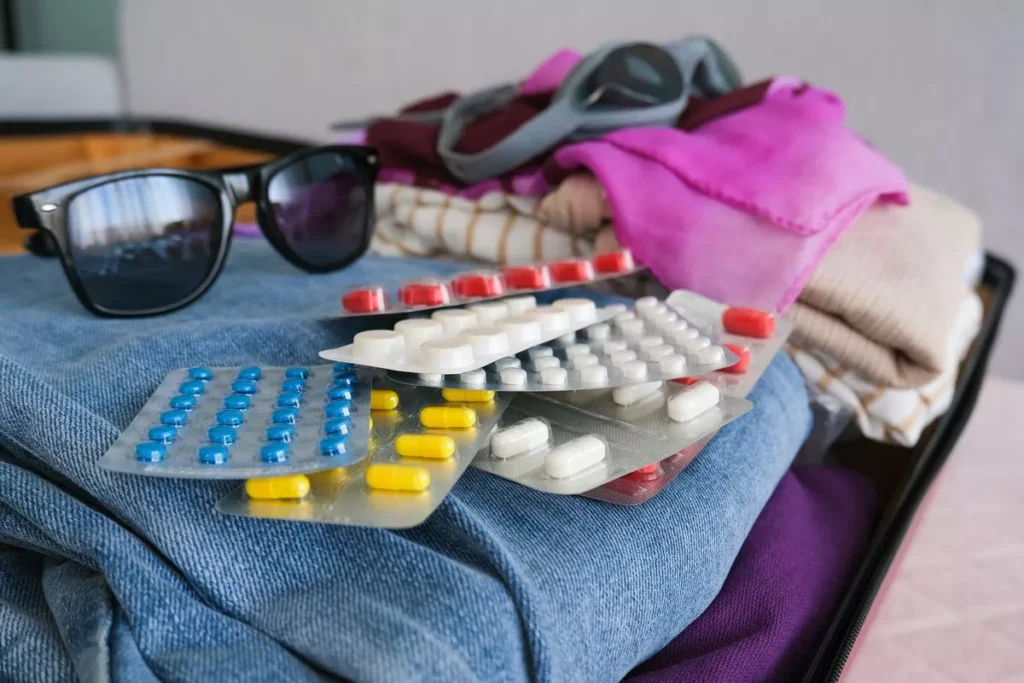
You packed the passports, chargers, and kids’ snacks—then someone’s essential medication goes missing, or a mild cough suddenly worsens during virus season. When that happens abroad, the challenge isn’t just finding a pharmacy. It’s understanding local rules, communicating clearly, and getting a legally valid prescription in an unfamiliar healthcare system.
This is where Travel Assistance Services and Medical assistance services become invaluable. These services help families coordinate doctor visits, navigate medication regulations, locate trusted pharmacies, and bridge language gaps—often under time pressure.
Why Prescriptions Get Complicated Abroad
A prescription is a legal authorization tied to a specific country’s healthcare system. In many destinations, foreign prescriptions aren’t accepted at local pharmacies, even for common medications. This means travelers often need to see a local doctor before a pharmacy can dispense anything.
Another complication is naming. Brand names vary widely across countries, but generic drug names are internationally recognized. Families who only know their medication by brand often face delays.
Medication laws also differ significantly. Some drugs that are over-the-counter at home may be regulated elsewhere, while others may be restricted by dose, quantity, or formulation. Without proper documentation, travelers can face delays at customs or difficulty obtaining refills.
Key insight: Pharmacies rarely “solve it for you.” The fastest resolution almost always involves proper documentation, and a locally authorized prescriber—exactly where assistance services help.
What Travel Assistance Services Typically Do
When you contact a Travel Assistance Service about prescription issues, the process usually follows a clear path:
Initial Triage and Case Setup
The assistance team gathers details about symptoms, existing medications, allergies, and your location. If symptoms suggest urgency—especially for children—they may direct you to immediate care.
Clinician Visit or Telehealth Coordination
In most cases, a local physician must assess the patient before issuing a prescription. Assistance services help arrange clinic visits or telemedicine options, often recommending providers familiar with travelers.
Pharmacy Location and Language Support
Once a prescription is issued, assistance teams help locate an appropriate pharmacy and may assist with translation to avoid dosing or substitution errors.
What they don’t do: Directly transfer your home prescription across borders. Instead, they help recreate it legally and safely.
Practical tip: Having photos of medication labels, generic names, and dosage details ready significantly speeds up the process.
Documentation That Solves Most Problems
Preparation eliminates most prescription issues abroad. Families should travel with:
- Medications in original, labeled containers
- Copies of written prescriptions using generic drug names
- A doctor’s letter describing the condition and medications
- Secure digital backups stored offline
- Printed copies in case phones fail
This documentation helps pharmacists, doctors, and customs officials quickly understand what you need and why.
Extra insight: Leave a copy of your medication list with someone at home. They can assist with coordination if you lose access while traveling.
Controlled and Restricted Medications
Some medications—especially pain management, ADHD treatments, sleep aids, or anxiety medications—may be restricted or prohibited depending on the destination.
Families should:
- Research destination-specific rules well in advance
- Carry additional documentation for controlled medications
- Ask their doctor about acceptable alternatives if the primary medication is unavailable
Smart move: Request a note describing the drug class and therapeutic purpose, not just the medication name. This helps local doctors identify equivalent treatments quickly.
Real-World Scenarios Families Face
Lost Luggage with Medications Inside
If prescriptions are packed in checked luggage and go missing, assistance services can help locate nearby clinics and pharmacies. Travelers usually need to see a local doctor and may need to pay upfront.
Lesson: Always pack medications in carry-on bags.
A Child Gets Sick During Virus Season
Respiratory infections, fevers, and dehydration are common during travel. Assistance services help families find appropriate care quickly, reducing miscommunication and unnecessary treatments.
Tip: Focus on symptom relief and warning signs, not just antibiotics.
Managing Cold-Chain Medications
Medications like insulin or injectable therapies require temperature control. Travelers should plan refrigeration access at hotels and carry documentation explaining the medication to airport security.
Costs, Claims, and Common Surprises
Travel Assistance Services coordinate care, but they don’t always cover costs immediately. Families may need to pay upfront and submit claims later.
To protect yourself:
- Keep all receipts and medical notes
- Confirm what your assistance plan covers versus coordinates
- Photograph receipts if originals are unavailable
Reality check: Missing documentation is the most common reason for denied reimbursement.
Build a Family Medication Access Kit
A small preparation kit can prevent major stress:
- Original medication containers
- Prescription copies (generic names)
- Doctor’s letter
- Photos of labels
- Allergy list
- Dosing schedule adjusted for time zones
- Extra days of medication
- Assistance service contact details
- Basic fever or symptom relief tools
- Translation notes for key pharmacy terms
Pro tip: Create a simple “brand-to-generic” reference card for quick identification abroad.
Conclusion
Prescription issues abroad are stressful because they combine health concerns with unfamiliar systems and legal uncertainty. Fortunately, most problems are preventable with preparation and manageable with the right support.
By traveling with proper documentation, understanding destination medication rules, and knowing how to use Travel Assistance Services, families can handle unexpected health issues calmly and efficiently. When something goes wrong—lost medication, sudden illness, or refill needs—assistance services shorten the path from confusion to care.
Treat medication access with the same importance as passports and insurance. Plan it, document it, and keep it close. Doing so turns a potential travel crisis into a solvable inconvenience.
FAQs
Can I use my home prescription abroad?
Often no. Many countries require prescriptions from local doctors, even for common medications.
Should medications go in checked luggage?
No. Always keep medications in your carry-on with documentation.
Are some medications illegal abroad?
Yes. Laws vary by country, especially for controlled medications.