Solo Travel Safety: Essential Tips for Independent Adventurers is increasingly relevant as more Americans head overseas alone, often with more enthusiasm than preparation. While social media celebrates spontaneity, many first-time soloists underestimate how quickly minor issues can escalate without a backup plan. Solo travel safety is not just about confidence; it hinges on understanding local risks, having contingency options, and knowing where to turn when things go wrong far from home.
Why Solo Travel Safety: Essential Tips for Independent Adventurers Matters
Solo travelers enjoy full control of their schedules, but that freedom comes with full responsibility when plans unravel. Missed connections, late-night arrivals, or a misplaced wallet feel very different without a trusted companion nearby. Crowded tourist areas, transit hubs, and nightlife districts can be hotspots for opportunistic crime, especially when you are tired, jet-lagged, or distracted by navigation apps. Recognizing these vulnerabilities early is the first step toward reducing avoidable solo travel incidents.
Hidden Risks and Early Warning Signs in Solo Itineraries
One of the clearest warning signs is vague logistics: you know your flight time, but not how you will get from the airport to your hotel after dark. Over-reliance on a single device is another, with travelers placing boarding passes, payment methods, and navigation entirely on one phone. If that phone is lost or stolen, the trip can stall immediately. A lack of trip planning support, no offline maps, and no backup cash all indicate a fragile itinerary that may not withstand common disruptions.
How Small Mistakes Turn Into Major Solo Travel Problems
Most solo travel crises start with something mundane: a bag left unattended, a drink accepted from a stranger, or a casual decision to walk alone to unfamiliar accommodation. Losing a passport or phone can trigger days of stress, especially if vital documents and itinerary management solutions are stored only in digital form. Misreading local laws, dress codes, or photography rules can also lead to fines or detention. These problems hit harder when there is no immediate partner to share decisions, costs, or emotional load.
- You routinely share your real-time location or hotel details publicly on social media.
- You book the cheapest room without checking neighborhood safety or building security.
- You rely on bar staff or new acquaintances to watch your belongings on nights out.
- You travel without printed copies of key documents, backup payment options, or local emergency numbers.
- You have no plan for travel emergency services if you fall ill, are injured, or face sudden unrest.
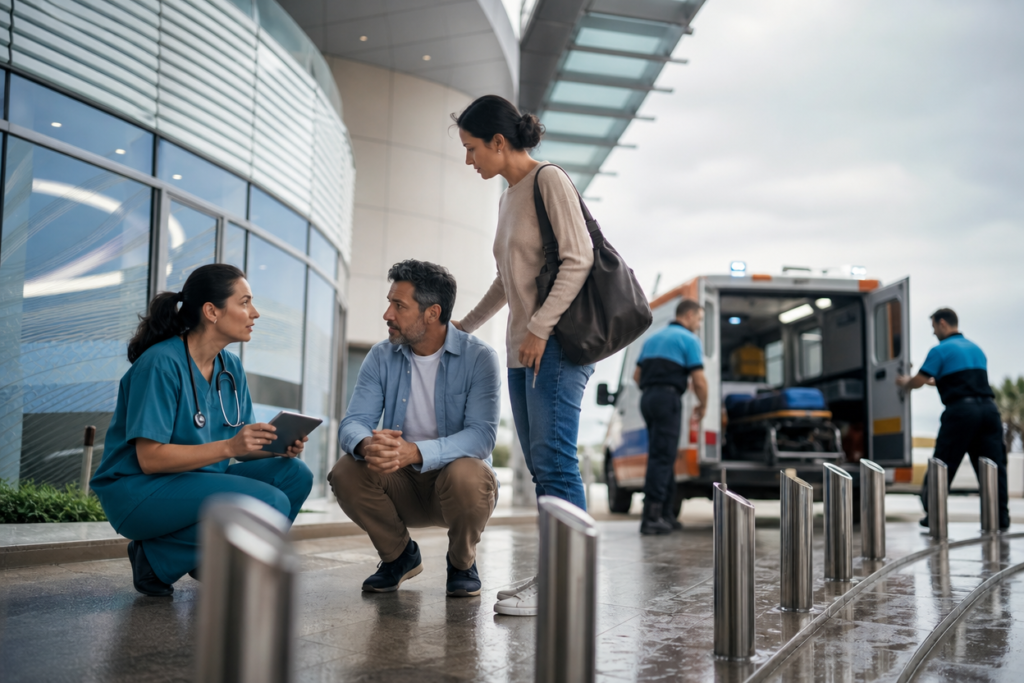
For many independent travelers, the gap is not bravery but backup. Travel assistance services can provide practical guidance before departure, flagging health, security, and documentation risks specific to your destinations. They also offer 24/7 travel emergency assistance if you lose documents, need medical care, or require evacuation, which is particularly valuable when family-friendly travel planning support is not relevant to your solo style. As you refine your next itinerary, assess your vulnerabilities honestly and consider seeking expert solo traveler trip planning help before a preventable issue becomes the defining story of your trip.