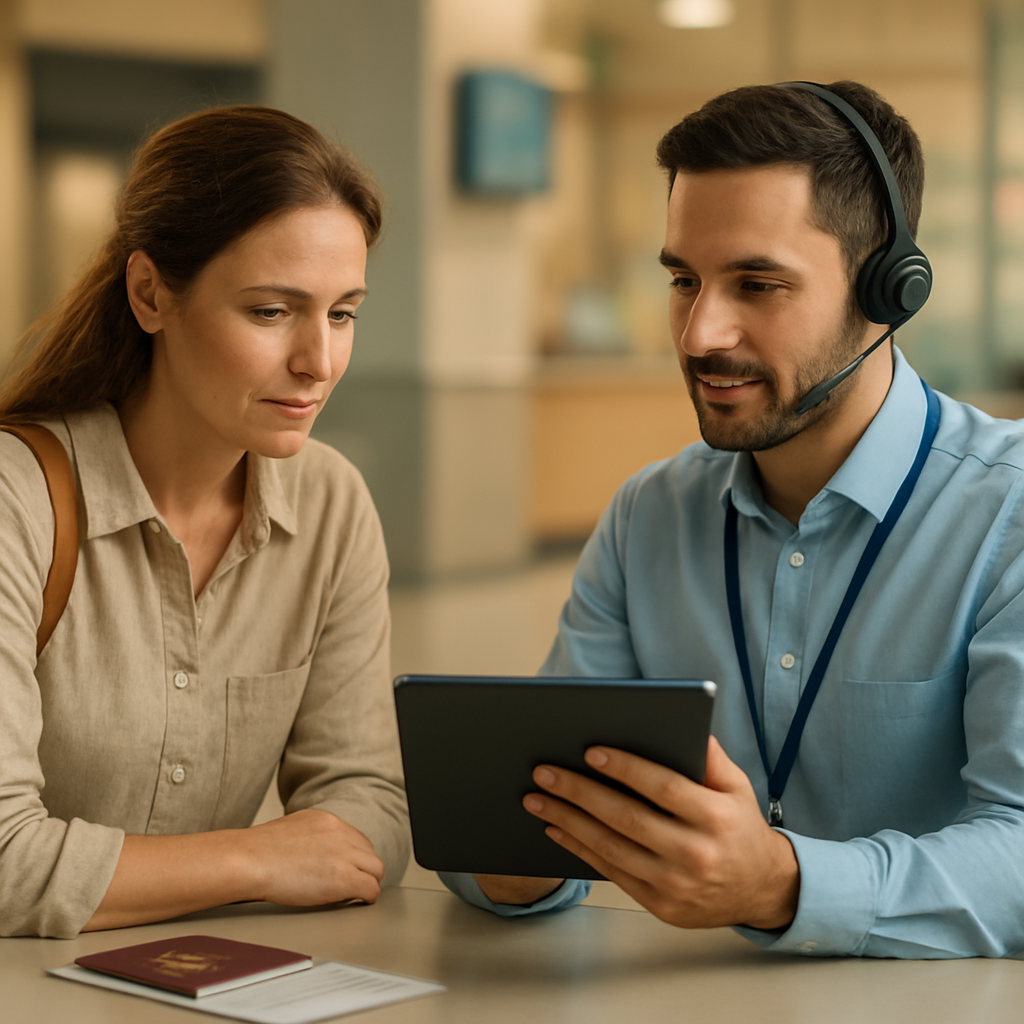
When you’re traveling solo, a sudden health issue can escalate quickly if you don’t know where to turn. Planning ahead for medical emergencies is just as important as booking flights and accommodation, and the right mix of resources can turn a crisis into a manageable situation. This guide explores key Medical assistance services and related tools that help solo travelers access care fast, stay informed, and make better decisions on the road.
Understanding medical assistance resources for solo travelers
For solo travelers, medical support isn’t a single product but a combination of healthcare support solutions that work together. Travel insurance, telemedicine, local clinics, and embassy contacts each address different points in a potential emergency. The goal is to build a layered safety net: financial protection for hospital care, access to qualified doctors, and clear pathways to emergency medical services if things escalate. By understanding how each option works, you can avoid gaps that leave you vulnerable in unfamiliar health systems abroad.
Key solutions: insurance, on-the-ground care, and telemedicine
Comprehensive travel insurance is the backbone of most travel healthcare support options, covering hospital treatment, medical evacuation, and in some cases pre-trip advice. On the ground, vetted hospitals and clinics provide patient care assistance for issues ranging from minor infections to serious injuries. Telemedicine fills the gap when you’re unsure whether you need in-person care, allowing a doctor to assess symptoms remotely. Together, these solutions support urgent travel medical care decisions, helping you avoid both unnecessary panic and dangerous delays.
Evaluating options: what to consider before you depart
When comparing Medical assistance services, start with coverage scope: emergency care, evacuation, pre-existing conditions, and mental health support. Check how to access international emergency medical help, such as 24-hour hotlines or app-based support, and whether translation or coordination with local hospitals is included. Solo travelers should also consider on-the-road patient care needs like prescription refills, routine check-ups, or replacement of lost medications. Finally, verify claim processes and documentation requirements so you’re not scrambling for paperwork in a stressful moment.
- Confirm your policy covers emergency medical services and evacuation in every country you’ll visit.
- Save local emergency numbers, your insurer’s hotline, and your embassy’s contact details in your phone and on paper.
- Research reputable hospitals and overseas healthcare assistance services at each major stop.
- Pack prescriptions with copies of scripts and a brief medical summary for global emergency health assistance.
- Download apps offering 24/7 traveler medical support, translation tools, and travel-focused patient care coordination.
Well-prepared solo travelers treat medical planning as part of their standard itinerary, not an afterthought. By combining robust insurance, telehealth access, and clear knowledge of local facilities, you gain practical control over how and where you receive care. This layered approach to travel healthcare support options reduces stress and speeds up treatment when minutes matter. If you’re unsure which mix of services suits your destinations, health profile, and budget, consider speaking with a specialist who can review your plans and help you compare options before you depart.