The Importance of Medical Evacuation for Travelers in Distress
The Importance of Medical Evacuation for Travelers in Distress
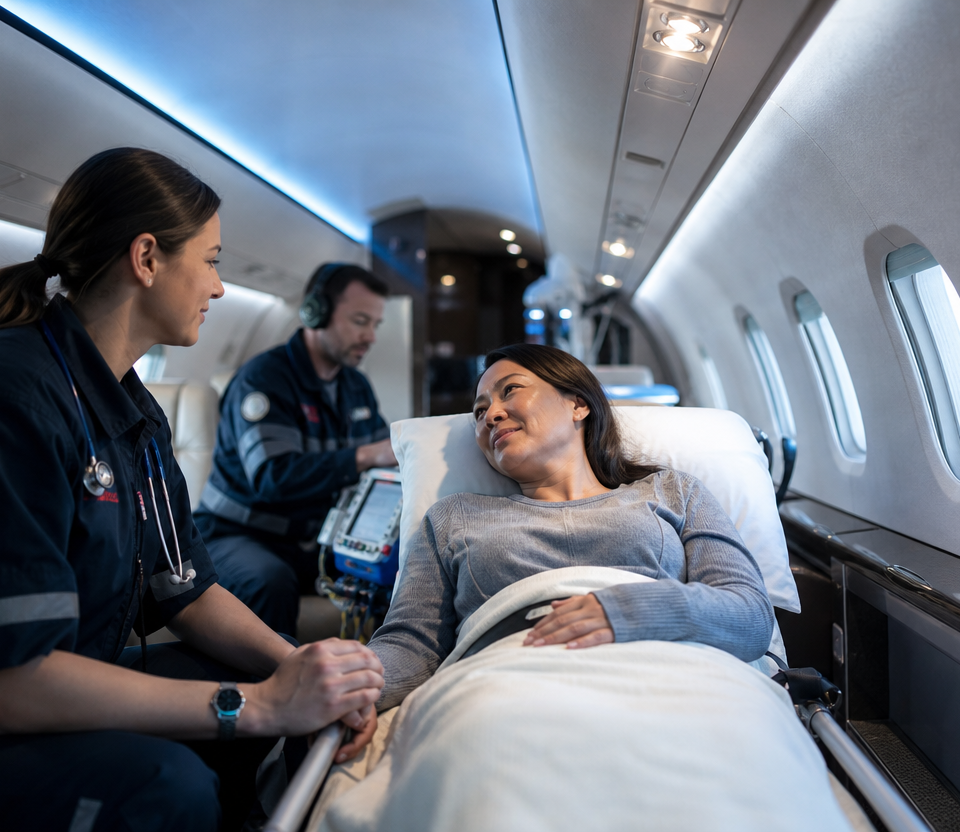
Medical evacuation for travelers in distress is not just an add‑on to travel insurance; it is a critical safeguard when serious illness or injury occurs far from home. While many policies focus on delays and lost luggage, travellers increasingly recognise that rapid clinical decision‑making and safe transfer to a higher level of care are often the real determinants of outcome. Providers that integrate Medical assistance services with evacuation planning stand apart by delivering coordinated assessment, stabilisation, and transport rather than treating evacuation as a simple logistical task.
Understanding Why Medical Evacuation Matters
For travellers facing life‑threatening events, the distinction between standard cover and comprehensive healthcare support solutions becomes immediately clear. High‑quality evacuation providers combine emergency medical services, in‑house medical directors, and destination‑specific risk intelligence to decide when, where, and how a patient should be moved. This integration reduces delays, avoids inappropriate local facilities, and supports families with clear explanations of options. By contrast, generic assistance models often rely on local capacity alone, which may not match international clinical standards or language needs.
Key Benefits and Differentiators for Travelers in Distress
Leading providers view every evacuation as a continuum of patient care assistance, from first call through rehabilitation planning. They offer global healthcare support for travelers via multilingual clinicians, real‑time telemedicine, and detailed handovers to receiving hospitals, ensuring continuity rather than episodic care. Their networks include accredited hospitals, specialised patient transport assistance with ICU‑equipped aircraft, and clinicians experienced in complex medical repatriation. This combination of medical depth and operational capability is what materially differentiates them from insurers that merely reimburse transport costs.
How Premium Services Go Beyond Standard Travel Insurance
Unlike basic policies that simply promise “transport to the nearest facility,” premium providers deliver 24 7 emergency medical help abroad, supported by travel-focused patient care coordination that considers pre‑existing conditions, family needs, and long‑term recovery. Their international medical response teams can negotiate cross-border hospital access support, manage visas, and ensure appropriate medical escorts throughout the journey. Many also maintain remote travel health support services for travellers in isolated regions, allowing earlier intervention and improved stabilisation before any aircraft is dispatched.
Making an informed choice means looking beyond headline benefit limits and asking how decisions are made in real emergencies. Travellers should review clinical governance, response times, aircraft capabilities, and whether travel medical triage and guidance is delivered by senior medical staff rather than call‑centre generalists. Understanding these differences clarifies which provider is most likely to coordinate a safe, timely evacuation when it matters most. If you are planning international travel, compare providers carefully and speak with a specialist today to align your evacuation coverage with your health profile and destinations.