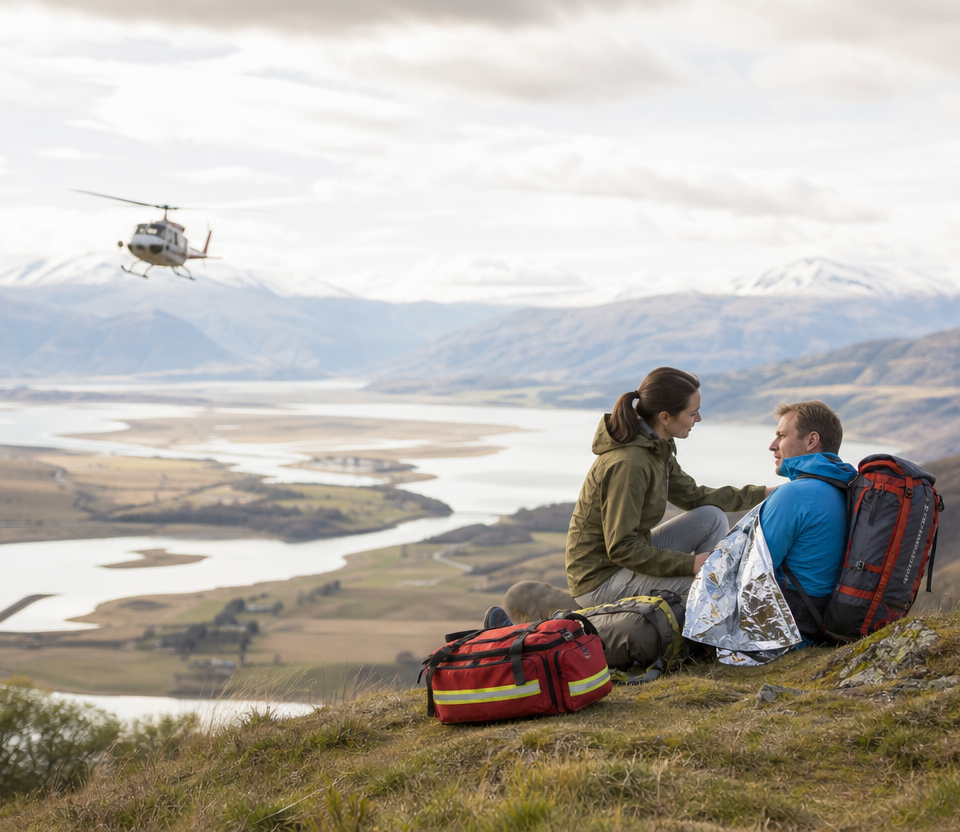
The role of medical assistance in family travel safety is increasingly important as more families head overseas with children, older relatives, or loved ones with health needs. Understanding the different Medical assistance services available helps you plan ahead, reduce risk, and respond quickly if something goes wrong. From pre-trip screening to on-the-ground support, today’s healthcare support solutions are designed to keep families safer and more confident while away from home.
The Role of Medical Assistance in Family Travel Safety
For many families, the first step is a pre-travel health consultation, where providers review vaccinations, medications, and any chronic conditions. This is also when you can discuss travel healthcare support options such as tailored medical kits, prescriptions for common travel illnesses, and written care plans. Families traveling with older adults or children with disabilities often benefit from patient care assistance that maps out mobility needs, oxygen supplies, or access to specialist care at the destination. These early decisions shape how prepared you are for both minor issues and serious incidents.
Assessing Risks and Choosing the Right Support
Before booking, it’s essential to consider local disease risks, climate, altitude, and the strength of emergency medical services at your destination. Providers can explain the differences between basic travel insurance, policies that include overseas emergency medical care, and comprehensive plans with evacuation and repatriation. Families with complex conditions may need international patient care services that coordinate with home specialists and local hospitals. Comparing inclusions, limits, and exclusions helps you balance cost with the level of protection genuinely required for your itinerary and medical profile.
On-Trip Coordination, Telehealth, and Emergency Response
Once you’re on the move, Medical assistance services can include telemedicine consultations, prescription replacement, and on-trip patient care coordination if someone becomes ill. Some providers offer 24 7 emergency travel assistance with multilingual support to help you find hospitals, arrange ambulances, and navigate local systems. This is particularly valuable when you need urgent medical help while abroad and are dealing with language barriers or unfamiliar clinical standards. Families with infants, pregnant travelers, or immunocompromised members often benefit from specialized travel health support that prioritizes suitable facilities and fast escalation if needed.
- Schedule a pre-travel health check and vaccination review for every family member.
- Select insurance that includes robust family travel medical support and evacuation cover.
- Prepare a tailored medical kit with medications, first aid, and key medical documents.
- Compile destination-specific hospital contacts and emergency phone numbers.
- Confirm how to access telehealth, on-the-ground clinics, and emergency medical services overseas.
By comparing different Medical assistance services, you can decide which mix of telehealth, insurance, and coordination support best matches your family’s risk profile and travel style. Look for clear escalation pathways, transparency around costs, and proven experience handling family emergencies in the regions you’ll visit. If you’re unsure which level of cover you need, speak with a travel medicine specialist or assistance provider who can review your plans and recommend a tailored set of protections. Taking this step before departure can turn a vulnerable trip into a well-prepared journey.