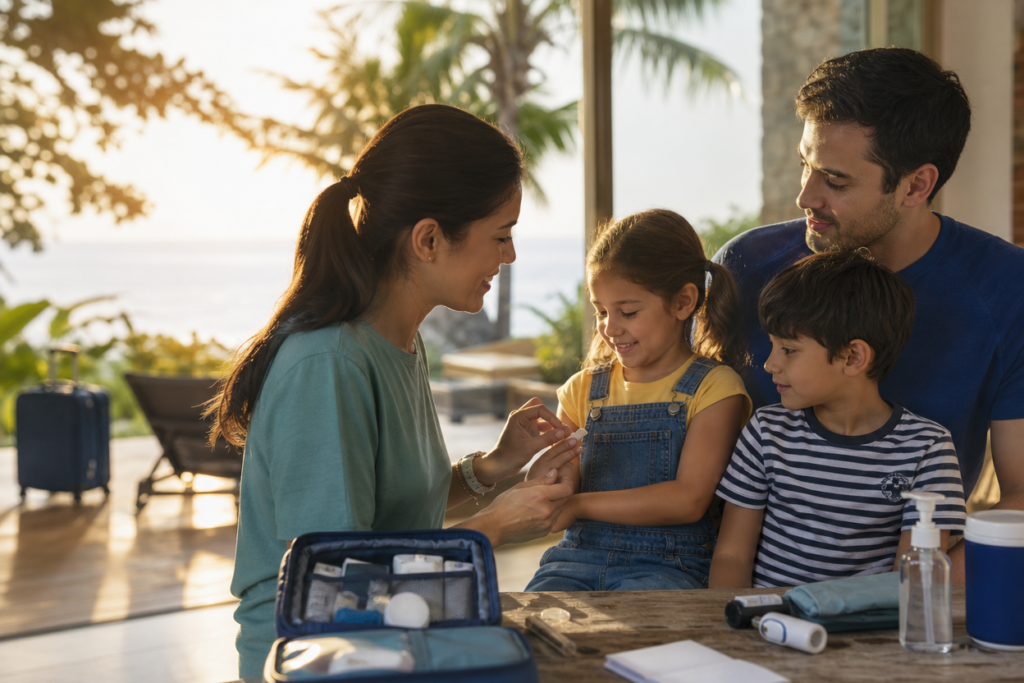
Traveling with children can be rewarding, but it requires thoughtful planning to protect their health and safety throughout the journey. This guide explains key steps parents can take to prepare effectively, including vaccinations, insurance, hydration, jet lag management, and food safety. By understanding essential travel healthcare support, families can reduce risks and respond calmly if issues arise. Whether you are planning a short holiday or a long international trip, careful preparation ensures children stay as safe and comfortable as possible.
Travel vaccinations and pre-trip planning
Before traveling, schedule an appointment with your child’s pediatrician to discuss destination-specific vaccines and routine immunization updates. The doctor can explain which illnesses are prevalent in the region and how best to protect your child. Reviewing guidance from the CDC and WHO also helps you understand current outbreaks or travel advisories. Ask about preventive medications, such as malaria prophylaxis, if relevant to your itinerary. Keep printed and digital records of vaccination history in case you are asked for documentation during your trip.
Travel insurance and Medical assistance services
Comprehensive travel insurance is essential when you are abroad with children, as local healthcare costs and processes may be unfamiliar. Confirm that your policy includes Medical assistance services for minors, covering medical treatment, hospital stays, and medical evacuation if needed. Read the fine print to ensure coverage extends to pre-existing conditions and common childhood incidents like injuries or stomach illnesses. Some policies offer 24 7 emergency medical help and coordination with local providers. Keep policy numbers, contact details, and claim procedures accessible in both digital and printed form.
Hydration, jet lag, and food safety for kids
Children are more susceptible to dehydration, particularly on long flights and in hot climates, so encourage frequent small sips of safe drinking water. When the local supply is uncertain, rely on sealed bottled water or purified water and avoid ice of unknown origin. To minimize jet lag, gradually adjust your child’s sleep schedule a few days before departure and seek daylight exposure upon arrival. Emphasize food safety by choosing freshly cooked meals and avoiding raw fruits and vegetables unless you can peel them yourself. Prioritize reputable, busy restaurants with good reviews to reduce the risk of foodborne illness.
Beyond medical preparation, create an emergency plan your child can understand, including who to approach and what to do if you become separated. Pack a compact medical kit with age-appropriate pain relievers, antihistamines, any prescribed medications, and basic first-aid supplies. Families who require special needs traveler support should consult their clinicians early to arrange documentation, medication letters, and mobility or sensory aids. Many providers now coordinate international patient care coordination and on trip medical assistance for complex conditions. If you need more tailored family travel medical support, speak with a qualified clinician or travel health specialist before finalizing your itinerary.
Next steps for confident family travel
Thoughtful planning helps you navigate urgent travel health services, insurance decisions, and practical safety measures with greater confidence. Review your child’s vaccinations, confirm suitable healthcare support solutions through your insurer, and prepare a simple checklist for hydration, sleep, and safe eating. Discuss expectations with your children so they know how to stay safe and ask for help if they feel unwell. If you are unsure which protections your family needs, seek professional patient care assistance from a trusted healthcare provider. For more personalized guidance, arrange a pre-travel consultation to clarify risks, options, and the best steps to safeguard your family’s health on every trip.