Travel Health Tips for Families with Special Medical Needs
Why travel health tips for families with special medical needs matter now
Travel health tips for families with special medical needs are no longer a niche concern; they sit at the center of how modern families plan meaningful experiences. As more Americans travel with complex conditions, the question is shifting from “Is it safe to go?” to “How do we redesign trips around health realities without losing spontaneity?” This demands a strategic, data-informed approach rather than ad hoc packing lists or generic advice from airline websites.
Embedding risk-aware thinking into every stage of the journey
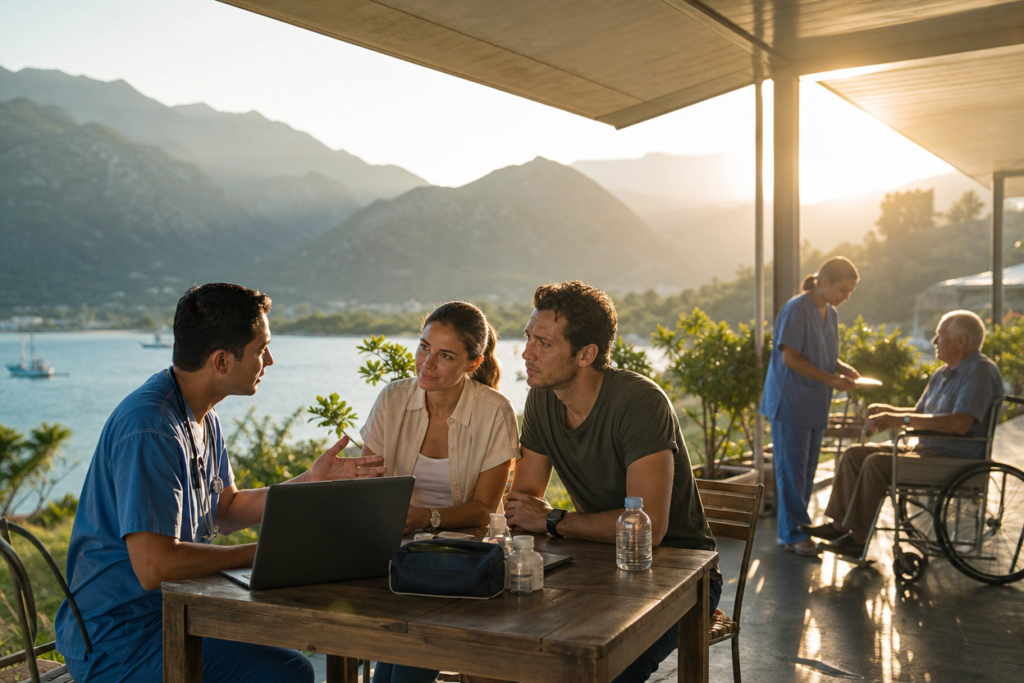
Thoughtful planning begins weeks before departure, with clinicians, not search engines, setting the guardrails. Families should integrate Medical assistance services into their baseline itinerary, treating them as core infrastructure alongside flights and accommodation. This means mapping local hospitals, clarifying how emergency medical services operate in each destination, and understanding insurance triggers for evacuation or repatriation. Done well, this converts uncertainty into defined, manageable risk rather than a constant source of anxiety.
Designing a mobile care ecosystem, not just a packing list
Forward-thinking families are reframing luggage as a mobile care ecosystem. That includes redundant medication supplies, device chargers, and cold-chain workarounds, but also condition summaries that streamline patient care assistance in unfamiliar systems. When healthcare support solutions are considered from the start, it’s easier to coordinate with hotels, airlines, and tour operators so that travel-friendly patient care becomes an enabler, not a constraint. This shift is particularly powerful for chronic illness patient care abroad and travel healthcare support for seniors.
From protection to participation: a new mindset for family travel
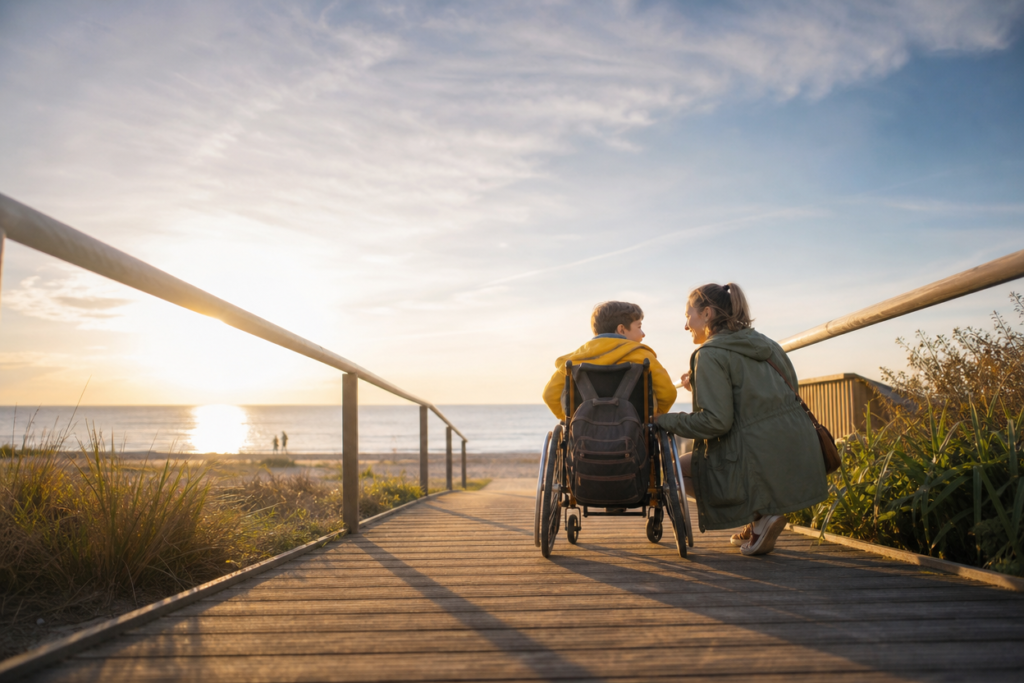
The most progressive approach goes beyond minimizing harm to maximizing participation. Families that involve children and teens in scenario planning build confidence and competence, not fear. Discussing special needs travel health support in plain language, including what to do if separated or when to seek pediatric emergency medical help abroad, creates psychological safety. Providers that offer genuinely family-focused healthcare support will increasingly differentiate themselves in a competitive tourism landscape.
Looking ahead, the most successful medical assistance for traveling families will blend digital tools, remote consults, and on-the-ground overseas emergency medical care to create seamless, real-time support. For your next trip, review your current strategy: where are you relying on assumptions instead of documented plans? Take one concrete step this week—such as confirming your medical coverage or updating action plans with your specialist—to move towards safer, more confident travel. If you’re unsure where to begin, speak with a travel medicine expert to stress-test your itinerary and close critical gaps.