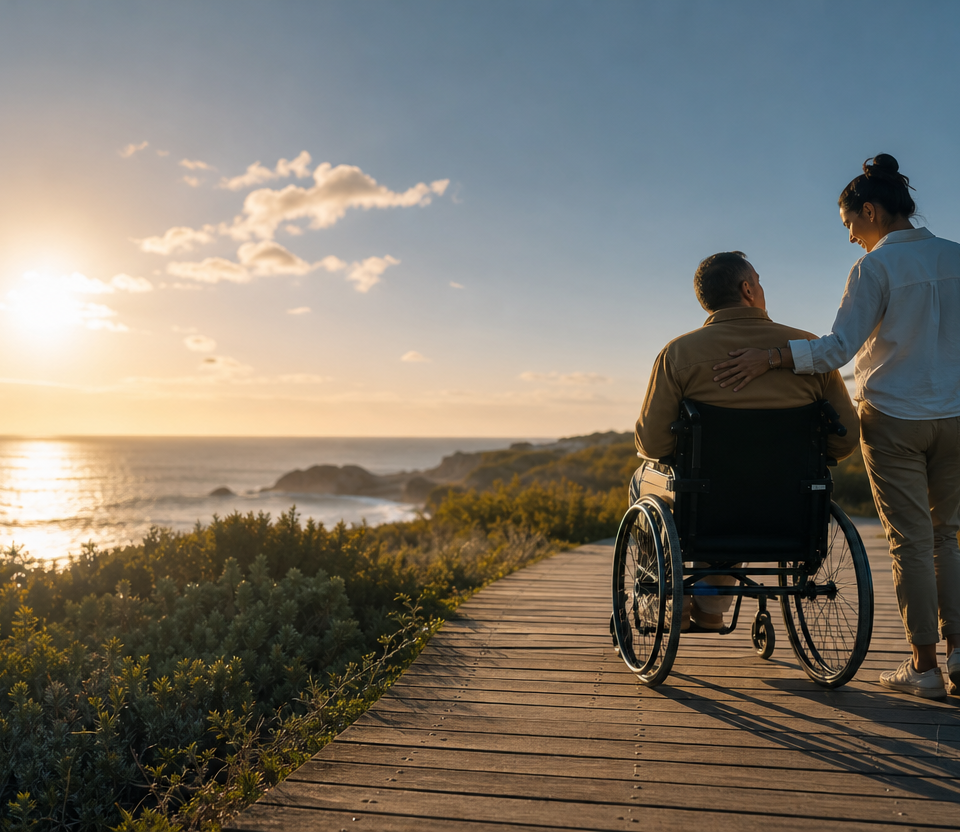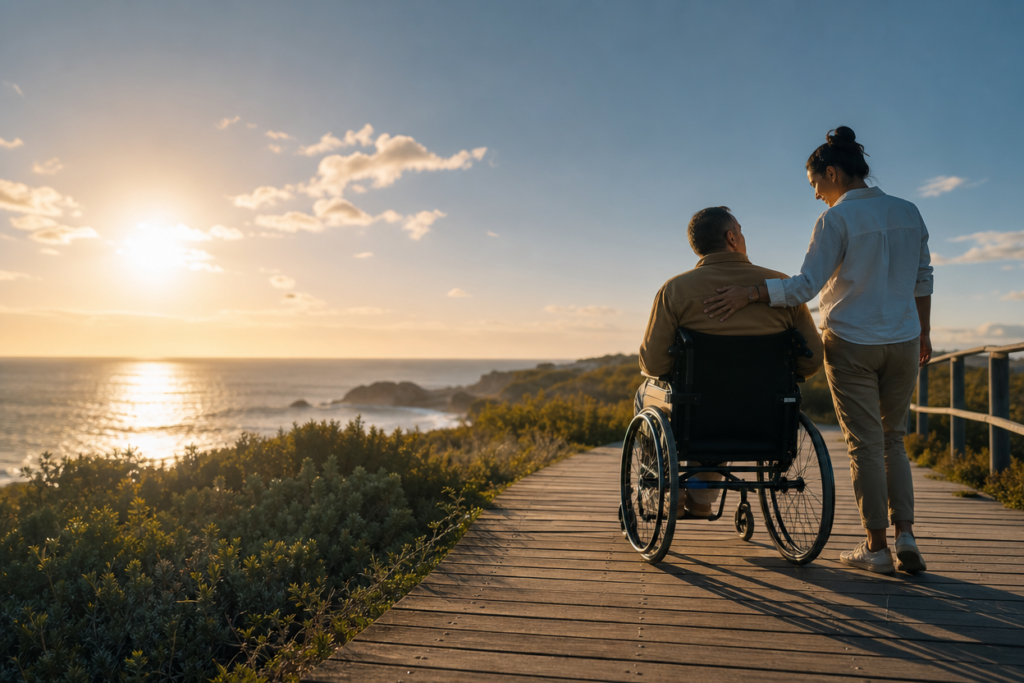
Travel Safety Tips for Seniors: What You Need to Know are essential for older adults who want to enjoy trips while managing health and safety risks. As we age, underlying medical conditions, reduced mobility, and unfamiliar environments can turn minor issues into serious problems. Understanding these risks allows older travelers and their families to prepare properly, choose suitable destinations, and build confidence before leaving home.
Understanding travel risks for older adults
Older travelers are more vulnerable to complications from infections, dehydration, and heart or lung conditions, especially during long flights or in extreme climates. Changes in lighting, stairs, and uneven surfaces also increase the likelihood of falls in hotels, airports, and busy streets. Scams targeting tourists can be harder to spot when you are tired or unfamiliar with local customs. Effective senior travel safety guidance starts with recognizing these challenges early in the trip planning process.
Key health preparations before you go
Before overseas travel, arrange an appointment with your doctor four to six weeks in advance to review medications, fitness for flying, and vaccination needs. Ask whether your itinerary is realistic for your mobility and stamina, and discuss safe itinerary planning for seniors if you have heart, lung, or joint problems. Keep a written list of medical conditions, allergies, and prescriptions in your wallet and on your phone. Pack extra medications in separate bags to protect against delays or lost luggage.
How travel assistance services support seniors
Travel assistance services give older adults added protection when something goes wrong far from home. These services can coordinate travel emergency services, arrange medical evacuation, and help you find English-speaking doctors if you fall ill. Many providers also offer lost passport help for elderly travelers and practical trip planning support so families know who to call in urgent situations. When comparing options, check any age limits, coverage for pre-existing conditions, and whether emergency travel assistance for seniors is available in all destinations on your itinerary.
During your journey, focus on simple habits that make Travel Safety Tips for Seniors: What You Need to Know easier to follow every day. Choose senior-friendly trip planning with realistic connection times and accessible hotels close to elevators. Wear supportive footwear, stand and stretch during long flights, and use handrails whenever possible. Consider 24 7 senior travel support or accessible travel planning services if you have complex needs or limited mobility. Finally, discuss family support during travel emergencies so someone at home understands your plans and can help coordinate itinerary management solutions if plans change unexpectedly.
By understanding these Travel Safety Tips for Seniors: What You Need to Know and using professional Travel assistance services where appropriate, you can travel more confidently and independently. If you are unsure which protections suit your health, destination, or budget, speak with a qualified adviser who understands senior travel risks and coverage options. Taking time to ask questions now will help you design safer, more enjoyable holidays for years to come.