
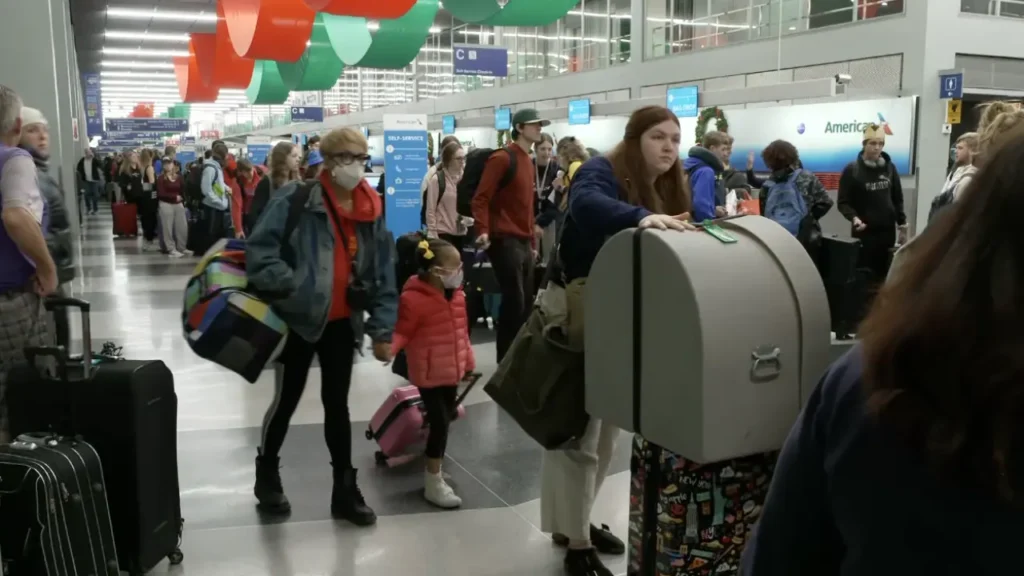
Family travel creates meaningful memories, but traveling during virus season introduces health risks that can quickly turn an enjoyable trip into a stressful experience. Crowded airports, long flights, and unfamiliar destinations increase exposure to seasonal illnesses, especially for children and older adults. When someone gets sick abroad, families often face unfamiliar healthcare systems, language barriers, and unexpected costs.
This is where medical assistance services and travel assistance services become essential. These services go beyond basic insurance coverage by providing real-time medical guidance, emergency coordination, hospital referrals, and logistical support when plans suddenly change.
Why Traveling During Virus Season Is Riskier for Families
Virus season increases the likelihood of exposure to contagious illnesses, particularly in high-traffic travel environments like airports, airplanes, public transport, and popular tourist attractions. Families face higher risks because children and seniors are more vulnerable to complications from respiratory and gastrointestinal infections.
Another challenge is navigating healthcare abroad. Standards of care, payment requirements, and access to specialists vary widely between countries. In many cases, families delay seeking treatment simply because they are unsure where to go or how the system works.
Common challenges families encounter include:
- Close contact with large crowds
- Delays in accessing appropriate care
- Difficulty communicating with healthcare providers
- Uncertainty around costs and coverage
Recognizing these risks early helps families plan proactively instead of reacting under pressure.
What Are Medical Assistance Services?
Medical assistance services provide round-the-clock support for travelers who experience health issues away from home. Rather than replacing insurance, these services focus on coordination, guidance, and medical decision-making.
Typical medical assistance services include:
- 24/7 access to medical professionals
- Telehealth or virtual consultations
- Referrals to trusted local hospitals or clinics
- Monitoring of ongoing medical cases
- Coordination between doctors, hospitals, and family members
During virus season, these services are especially valuable for determining whether symptoms can be managed remotely or require immediate in-person care. Quick access to professional advice often prevents unnecessary hospital visits while ensuring serious conditions are addressed promptly.
For families, this means less guesswork and faster, more informed decisions when health concerns arise.
What Are Travel Assistance Services?
While medical assistance focuses on health, travel assistance services address the logistical problems that often accompany emergencies abroad. Illness rarely happens in isolation—it can disrupt flights, accommodations, and essential documents.
Travel assistance services commonly help with:
- Emergency travel changes or rebooking
- Lost passports or travel documents
- Communication with airlines, hotels, and local authorities
- Emergency cash or legal referrals
- Coordination with embassies when needed
For families, this support is crucial. Managing logistics while caring for a sick child or elderly relative can be overwhelming. Travel assistance services reduce stress by handling practical problems so families can focus on recovery and safety.
Travel Medical Insurance: Your Financial Safety Net
Travel medical insurance covers the cost of care abroad, while assistance services help manage the process. Many domestic health insurance plans do not cover international medical treatment, leaving travelers exposed to significant out-of-pocket expenses.
A comprehensive travel medical insurance plan typically includes:
- Emergency medical treatment and hospitalization
- Doctor consultations and diagnostic tests
- Emergency medical evacuation
- Repatriation to the home country if necessary
During virus season, healthcare systems in some destinations may be strained, increasing the likelihood of referrals to private facilities or evacuation to another location. Insurance coverage ensures these situations do not become financial emergencies on top of medical ones.
Emergency Medical Evacuation and Repatriation
In certain situations, local medical facilities may not be equipped to handle complex or severe cases. Emergency medical evacuation involves transporting a patient to a facility capable of providing appropriate care, which may include air ambulance services.
Repatriation may be necessary when long-term treatment is required or when recovery is best managed at home. These services are costly without coverage, but when included in an assistance-backed plan, they provide reassurance that families will not be left without options during critical moments.
Telehealth and Virtual Consultations While Traveling
Telehealth has become a cornerstone of modern medical assistance services. Virtual consultations allow families to speak directly with healthcare professionals without immediately visiting a clinic or hospital.
Benefits of telehealth during virus season include:
- Faster access to medical advice
- Reduced exposure to crowded healthcare facilities
- Guidance on symptom monitoring and treatment
- Support for managing chronic conditions while traveling
For families traveling with seniors, infants, or individuals with existing medical needs, telehealth offers continuity of care even when far from home.
Pre-Trip Health Planning for Families
Preparation significantly reduces travel-related health risks. Before departure, families should:
- Schedule medical checkups for children and seniors
- Ensure routine and seasonal vaccinations are up to date
- Carry sufficient prescription medications
- Pack a basic travel health kit
- Understand how to access assistance services while abroad
Planning ahead ensures families know who to contact and what steps to take if someone becomes ill, avoiding panic during stressful situations.
How Assistance Services Help During Travel Disruptions
Illness often leads to disrupted itineraries. Flights may need to be delayed, accommodations extended, or transportation rearranged. Travel assistance services help coordinate these changes efficiently, minimizing confusion and added stress.
Support may include:
- Rebooking flights or arranging alternative transport
- Extending hotel stays due to medical reasons
- Coordinating transportation to medical facilities
- Assisting with documentation required for travel changes
For families, this level of coordination can be the difference between chaos and calm during an unexpected health event.
Cost Considerations and the Value of Preparedness
Many families hesitate to invest in medical and travel assistance services, assuming emergencies are unlikely. However, the financial impact of a single medical incident abroad can be substantial.
Preparedness offers value beyond cost savings:
- Faster access to appropriate care
- Reduced emotional stress during emergencies
- Clear guidance during complex situations
- Protection for vulnerable family members
For families caring for both young children and older adults, preparedness is less about convenience and more about responsibility.
Practical Tips for Traveling Safely During Virus Season
Even with strong support systems, prevention remains key. Families should:
- Practice good hand hygiene
- Wear masks in crowded or enclosed spaces when appropriate
- Stay informed about health conditions at their destination
- Avoid unnecessary exposure in high-risk environments
- Monitor symptoms closely during and after travel
Combining preventive habits with responsive assistance services creates a comprehensive safety strategy for family travel.
Conclusion
Traveling during virus season doesn’t mean families must sacrifice peace of mind. With the right combination of medical assistance services, travel assistance services, and thoughtful preparation, families can navigate health risks with confidence. These services provide expert guidance, coordinated care, and logistical support when it matters most—allowing parents, caregivers, and loved ones to focus on recovery rather than confusion. By planning ahead and understanding available support, families can travel safely, even during the most challenging seasons.
FAQs
Are medical assistance services the same as travel insurance?
No. Medical assistance services focus on coordination and support, while insurance covers the cost of care.
Can families use telehealth while traveling internationally?
Yes. Many assistance services offer virtual consultations with licensed medical professionals.
Do travel assistance services help with flight changes due to illness?
Yes. They often coordinate rebooking and travel adjustments related to medical situations.