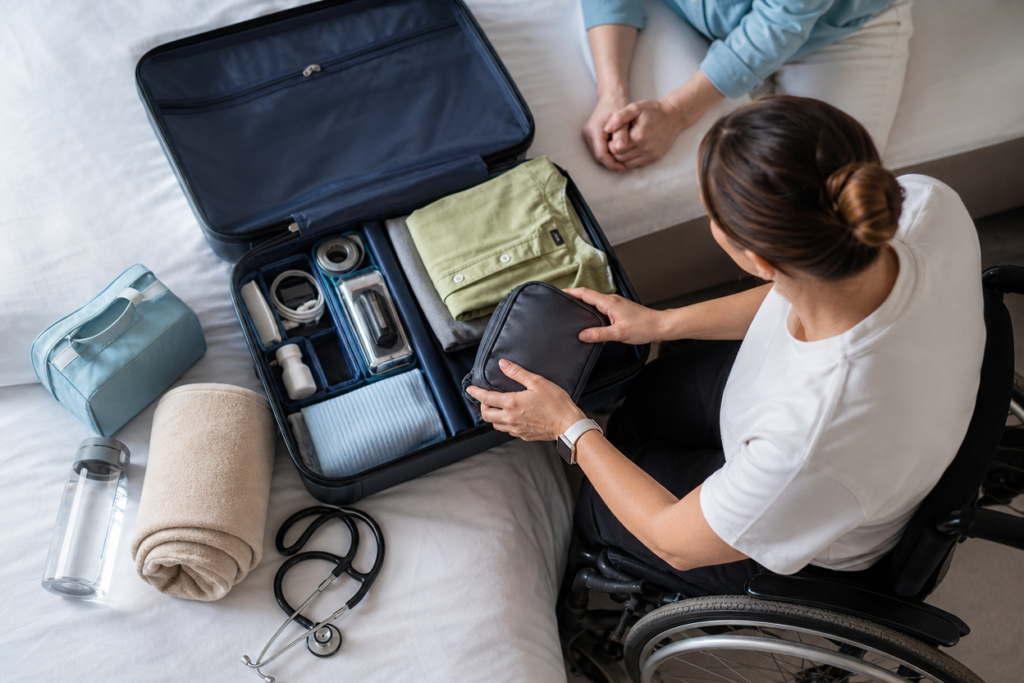
Traveling with disabilities can be liberating, but many Americans underestimate how fragile their medical safety net becomes once they leave home. Traveling with Disabilities? Here’s Your Medical Support Checklist isn’t just a planning tool; it’s a way to uncover hidden risks that standard bookings and policies rarely address. A delayed flight, broken wheelchair, or lost medication can quickly shift from inconvenience to crisis when you’re far from your regular doctors and support networks.
Understanding the Hidden Risks of Traveling with a Disability
The most overlooked danger is assuming airlines, hotels, and tour operators have your needs fully covered. In reality, disability assistance standards vary widely between airports and countries. A simple equipment failure can leave you stranded without accessible transport or basic patient care assistance. If you rely on oxygen, mobility aids, or refrigerated medication, any disruption in that chain can become a serious health threat within hours.
Why Medical Support Planning Matters Before You Book
Many travelers believe travel insurance and airline disability policies equal robust healthcare support solutions. Yet exclusions for pre-existing conditions, limited emergency medical services, and capped benefits for evacuations are common. US travelers may discover too late that their plan doesn’t guarantee payment to foreign hospitals, delaying treatment. Without clear travel healthcare support options in place, you’re left to negotiate unfamiliar health systems during your most vulnerable moments.
Warning Signs Your Medical Safety Net Is Too Weak
Early red flags often appear during basic trip planning. You might not have a current doctor’s letter summarizing your condition, medications, and fitness to fly. Your prescriptions may exist only in English brand names, with no generic equivalents noted. You may not know whether your destination has accessible travel health support or special needs patient care abroad. If you can’t explain, step by step, how you’d replace critical medication within 24 hours, your plan is incomplete.
- Carry recent medical records, a physician summary, and prescriptions in your hand luggage.
- Photograph mobility aids and verify airline policies on handling and repair.
- Map nearby hospitals, clinics, and pharmacies at your destination in advance.
- Confirm coverage for chronic condition travel assistance and medical evacuation support services.
- Identify providers offering Medical assistance services, including 24 7 emergency medical help and on call patient care support.
Ignoring these gaps can lead to long hospital stays, cancelled itineraries, and large out-of-pocket bills for international emergency medical aid. For some travelers, the cost of an air ambulance or complex evacuation can exceed the entire value of the trip many times over. If you feel unsure how you’d access emergency care at 2 a.m. overseas, that uncertainty is a clear warning. Before your next journey, review your protections, explore realistic on-the-ground support, and speak with an expert in accessible travel or emergency planning to secure reliable Medical assistance services before a crisis occurs.