
International and domestic travel have surged back, but disruption remains a constant risk. Flight cancellations, extreme weather, and sudden illness can upend even the most carefully arranged itinerary. Many Americans still underestimate how vulnerable they are when a trip goes wrong, and how much they may need Travel assistance services before, during, and after departure.
Why Modern Travel Is More Fragile Than It Looks
Airlines now operate with tight schedules and limited slack, making delays and cancellations more common. When a key connection is missed, travelers often scramble between airport counters, apps, and call centers searching for real-time flight disruption help. In this chaos, crucial details like visa rules, hotel policies, or medical needs can be overlooked, compounding an already stressful situation.
Hidden Risks Behind Seemingly Simple Trips
Many people rely on a smartphone, a credit card, and basic trip planning support, assuming that is enough. But language barriers, unfamiliar health systems, and differing consumer protections can quickly complicate a problem abroad. A minor injury can turn serious if you cannot find an English-speaking doctor, and lost passports or luggage can derail business meetings or family events with little warning.
Warning Signs You May Be Underprepared
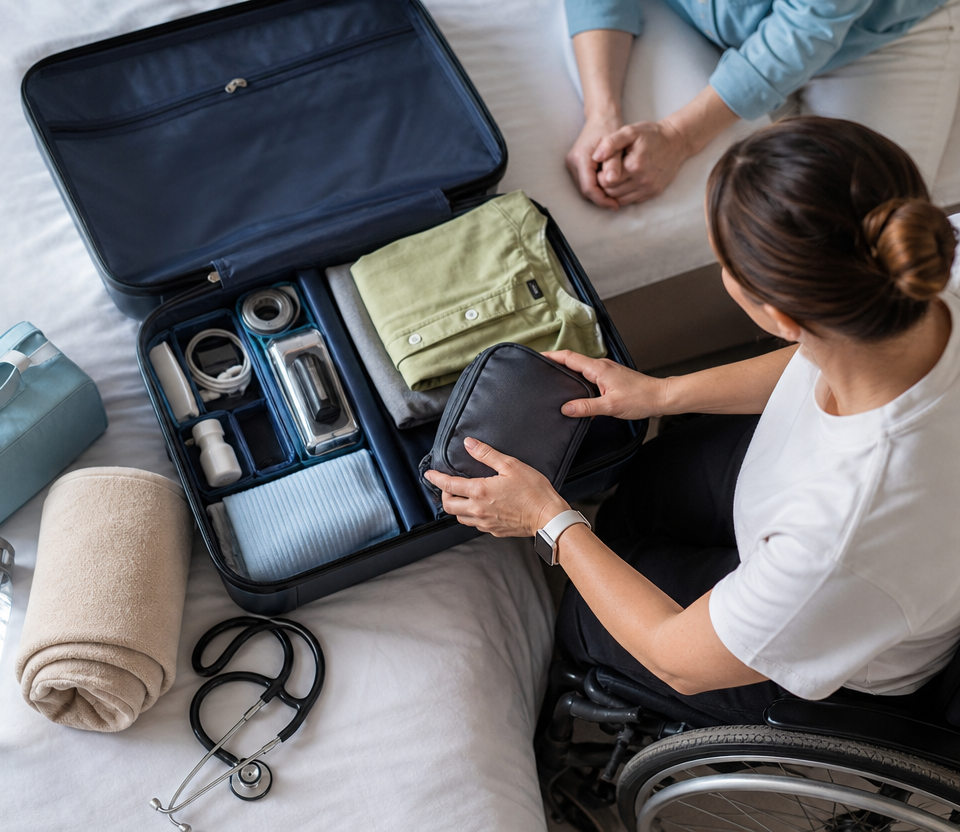
Travelers often overlook how exposed they are until a crisis hits mid-journey. If you juggle multiple connections or depend on last-minute deals, you are already more likely to face disruption. Families traveling with young children or older relatives may need family-friendly trip planning and senior-focused travel assistance to navigate medical issues, mobility constraints, or special dietary requirements that generic services rarely address.
- You depend entirely on airline apps for 24/7 itinerary change support when plans shift.
- You assume travel emergency services will be included in standard insurance without checking details.
- You have health conditions but no accessible travel itinerary support for medical contingencies.
- You manage complex bookings yourself without professional itinerary management solutions.
- You rarely consider proactive travel risk monitoring before choosing routes or stopovers.
Common misconceptions deepen these vulnerabilities. Many travelers believe an embassy can fully resolve crises, or that personalized trip planning help is unnecessary for straightforward routes. In reality, consular staff have limited powers, and on-demand travel emergency help often falls outside basic insurance coverage. Before your next departure, review your recent trips and ask where expert guidance or Travel assistance services could have reduced stress, cost, or downtime. If the answer is “more than once,” it may be time to speak with a travel specialist about tailored, professional support that keeps your journeys safer and far less stressful.