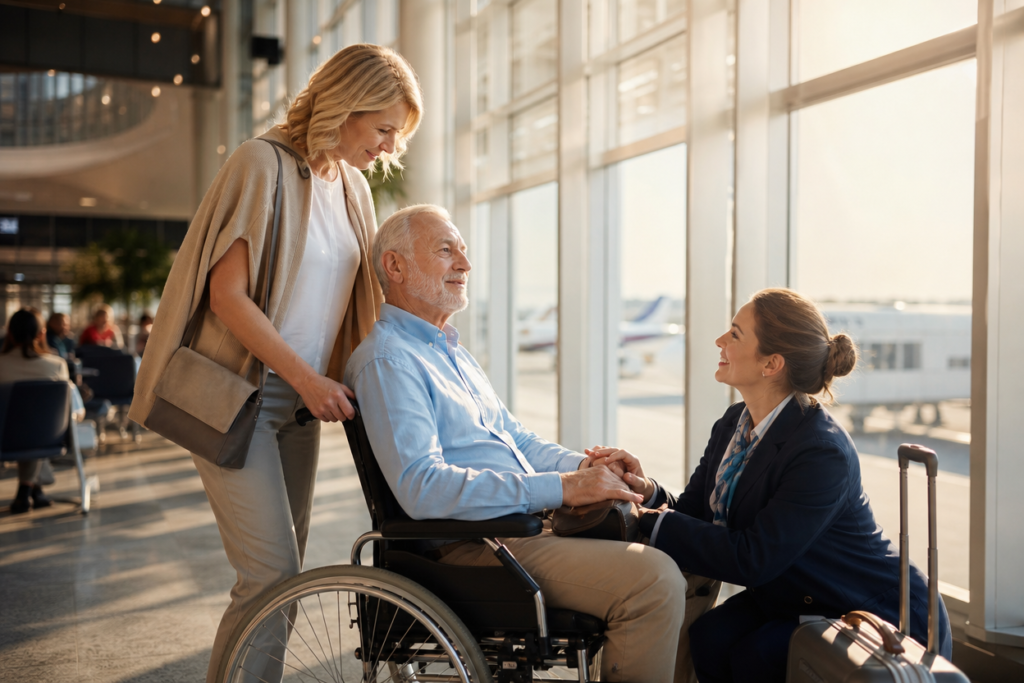
Medical assistance services for senior travelers deliver far more than basic insurance reimbursement, offering coordinated clinical support that can transform a stressful incident abroad into a manageable event. For older adults managing chronic conditions, the right partner provides integrated healthcare support solutions that connect local providers, family members, and specialists at home. This coordinated approach helps seniors stay in control of their health while exploring the world, even when language barriers or unfamiliar hospital systems make navigation difficult.
Understanding Medical Assistance Services for Seniors Abroad
Medical assistance services combine clinical triage, case management, and logistical expertise to guide seniors through unexpected illness or injury overseas. Dedicated teams arrange hospital referrals, direct billing, and, when necessary, emergency medical services or medical evacuation. Unlike standard insurance call centers, these teams are staffed with clinicians who understand senior-specific risks, from cardiac concerns to mobility limitations. This blend of medical insight and practical coordination gives older travelers and their families confidence in complex situations.
How These Services Differ from Standard Travel Insurance
Traditional policies focus on reimbursement after the fact, while travel-focused patient care solutions emphasize real-time decision-making and on-the-ground support. Seniors gain access to telemedicine consultations, pre-trip risk reviews, and tailored patient care assistance that accounts for medications, existing diagnoses, and fitness to travel. When an incident occurs, case managers coordinate with local hospitals and pharmacies, ensuring care is clinically appropriate rather than simply available. This proactive oversight reduces unnecessary hospital stays and supports safer, faster recoveries.
Clinical Expertise and Telemedicine as Key Differentiators
Leading providers invest heavily in geriatric-trained clinicians, senior-friendly patient care protocols, and digital platforms designed for clarity and ease of use. Telemedicine allows older adults to speak with doctors who understand their history before deciding on a hospital visit, supported by travel healthcare support services and access to prior records. Wearable-device integration, secure data sharing with home physicians, and 24/7 emergency medical support further distinguish top-tier operations. These capabilities create a seamless continuum of care across borders and time zones.
Global Networks, Local Knowledge, and Practical Scenarios
For senior travelers, the strength of global emergency medical support networks can be decisive when minutes matter. A traveler experiencing chest discomfort on a cruise can be connected quickly with cardiology expertise, coordinated onward transport, and international healthcare assistance that ensures language, currency, and documentation are all managed. Another traveler who misplaces essential medication can rely on travel patient care coordination to confirm safe local equivalents and dosing guidance. In both cases, medical support services for travelers bridge home-country standards and local care realities.
When comparing options, seniors should look beyond policy limits to assess responsiveness, clinical governance, and experience delivering medical assistance services to older adults. Providers that demonstrate clear escalation pathways, transparent communication, and strong travel-focused patient care solutions typically manage complex events more smoothly. Seniors and families who value proactive oversight, technology-enabled coordination, and truly integrated travel healthcare support services are best served by specialists rather than generic insurers. To travel with greater confidence, consider discussing your next trip with a team that focuses on comprehensive medical support for senior travelers.