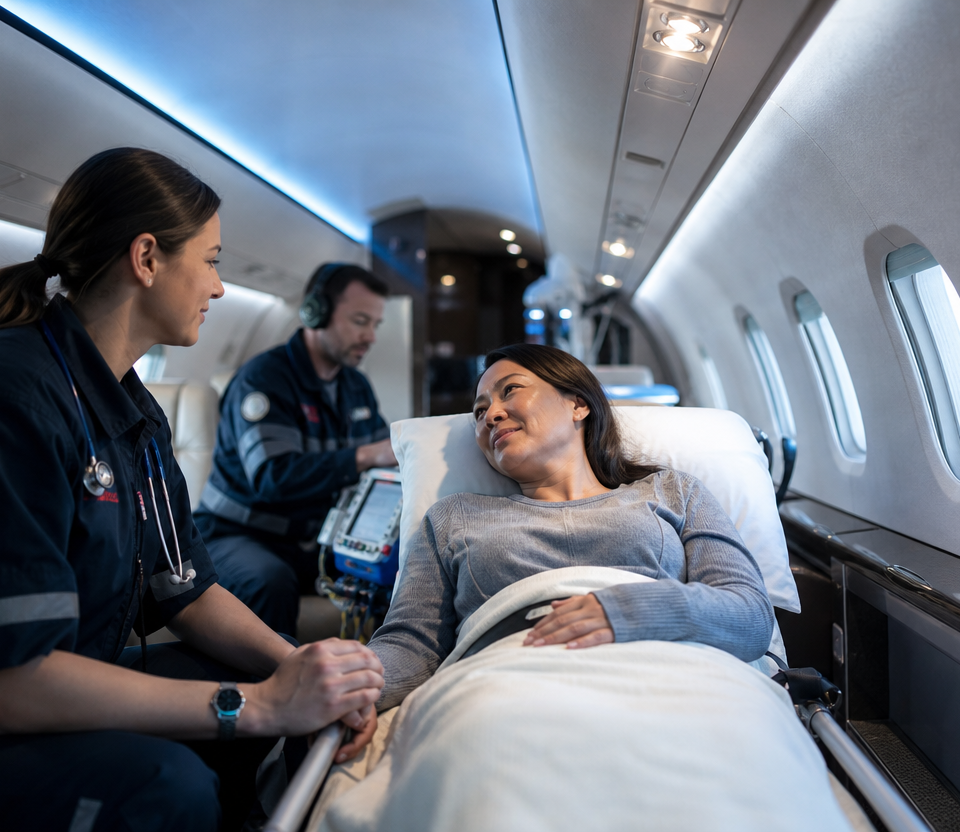

Traveling internationally can be rewarding, but it also introduces new health risks that many Americans underestimate. Understanding available Medical assistance services before you depart helps you prepare for unexpected illness or injury and make informed decisions if something goes wrong. By learning how these services work and what they cover, you can choose the right support and travel with greater confidence.
What Are Medical Assistance Services for International Travelers?
Medical assistance services provide coordinated support if you become sick or injured while overseas, going beyond standard travel insurance reimbursement. These services can help locate English-speaking doctors, arrange hospital admissions, and coordinate medical transport when needed. Many providers also offer access to healthcare support solutions that include medical advice by phone, translation support, and assistance with local prescriptions. Together, these features help you navigate unfamiliar healthcare systems more safely.
How Medical Assistance Services Work During a Trip
When a medical issue arises abroad, you typically call a dedicated assistance hotline listed on your membership card or policy documents. A case manager assesses your condition, helps you find appropriate emergency medical services, and coordinates care with local providers. For more complex issues, the service might arrange hospital transfers, medical repatriation, or consultation with your home physician. This coordinated medical care while traveling reduces confusion, especially in countries where language barriers or different medical standards can delay treatment.
Key Benefits, Limits, and Common Misconceptions
Medical assistance services offer practical benefits, such as guidance on urgent care services abroad, help with hospital deposits, and support for family communication back home. Some programs include international emergency medical help, which can be critical if you require evacuation from a remote area. However, they are not a substitute for full health or travel insurance and may exclude pre-existing conditions or adventure sports. A common misconception is that your domestic health plan automatically provides cross-border emergency medical aid, which is often not the case.
Before purchasing any plan, review what level of overseas medical support solutions is included, how to access 24/7 travel patient assistance, and whether telehealth consultations are available in your language. Consider your destination’s healthcare quality, planned activities, and any chronic conditions requiring patient care assistance. Travelers with complex needs may benefit from global healthcare support for travelers or travel-focused patient care support that includes detailed medical records coordination. If you are unsure what level of support is appropriate, speak with a travel medicine specialist or insurance advisor to clarify your options and next steps.